Valuable Links for History Educators
My interest in history began in childhood, shaped by parents who loved stories and filled our home with books. The American Revolution was the first story that pulled me in, and spending my 10th birthday—22 July 1967—wandering the Smithsonian and the Museum of American History sealed the deal. Two national moments framed my early sense that history mattered: the assassination of John Kennedy in 1963, my first political memory, and the resignation of Richard Nixon in 1974 as I entered my senior year. Those years made the past feel immediate, and I wanted to understand the forces behind the events unfolding around me. Great teachers in high school and college turned that curiosity into a calling. Later, I had the privilege of studying with leading historians—David Blight, Gordon Wood, Colin Calloway, Joe Ellis, Matt Pinsker, and others—who sharpened my craft and broadened my sense of the profession.
My interests have ranged widely. In graduate school in the early 1980s, I focused on the Progressive Era and American political history. Over time, circumstances drew me deeply into the history of Indigenous people, especially in Wisconsin. As a non‑Native historian, I’ve approached that work with humility, knowing I am an outsider trying to understand another people’s story. My hope is that I’ve helped non‑Native students see that history more clearly and recognize its ongoing significance.
The following resources have been especially valuable to me. Also, the interviews posted below are especially timely for those of us in the history profession in 2026 and beyond.
Professionally Relevant Organizations
- The Gilder-Lehrman Institute of American History
- Organization of American Historians
- Wisconsin Historical Society
- History News Network
- Wisconsin Indian Education Association (WIEA)
- National Endowment for the Humanities (NEH)
Among my favorite Historians . . . .
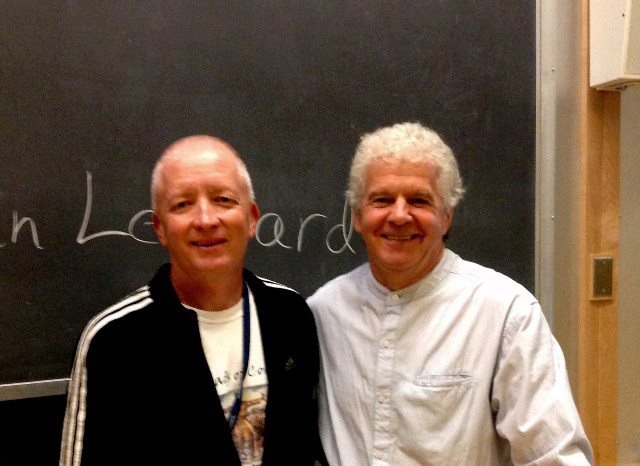
Historian Colin Calloway of Dartmouth has influenced me a great deal since 2013 — I highly recommend his books! In this short video, he articulates the challenges of American Indian history and why it is so vital for us to understand.
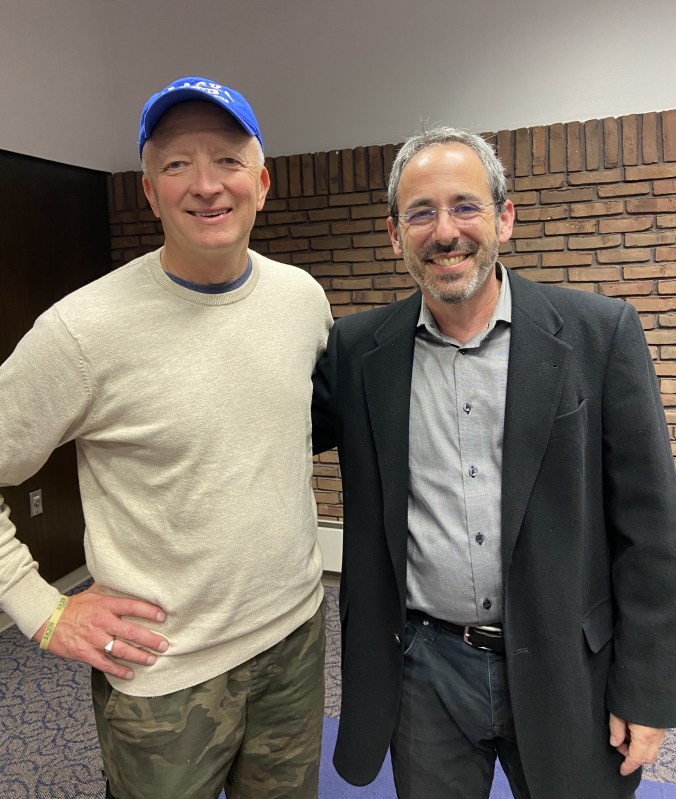
In this interview, historian Stephen Kantrowitz of UW-Madison argues that honest history requires confronting how power, race, and memory shape the places we live, and that conviction drives Citizens of a Stolen Land, his account of the Ho‑Chunk Nation’s endurance in Wisconsin despite fraudulent treaties, forced removals, and repeated attempts to erase them. That part of the discussion starts around the 22:00 minute mark. He also speaks about the current threats to history education in our schools — that comes toward the end of the interview.
Access the Interview Here
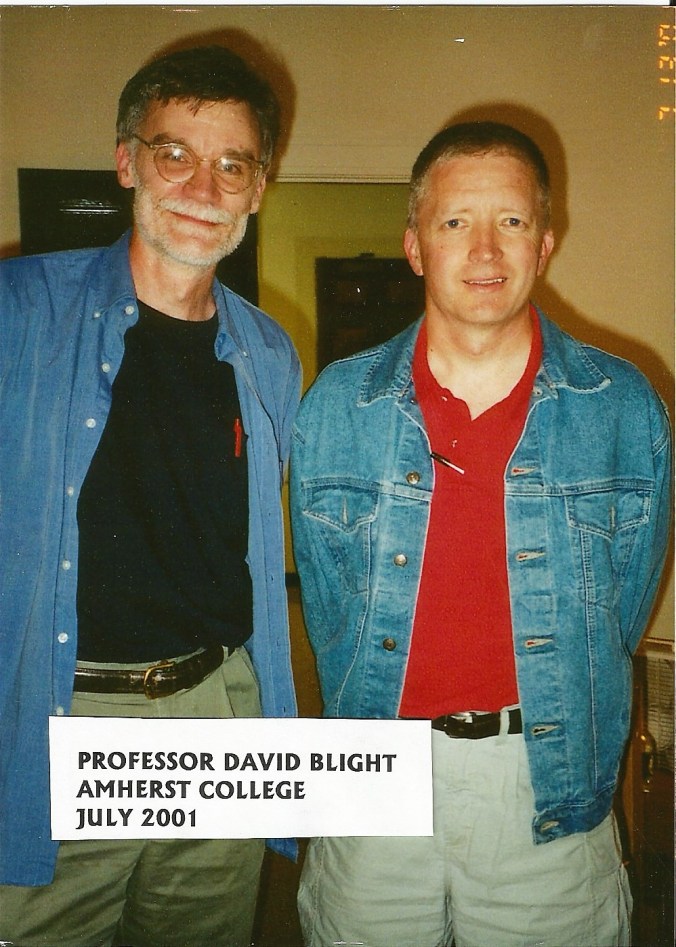
Historian David Blight of Yale introduced me to the complex interaction between history and memory in a 2001 seminar. In this short excerpt from a 2014 speech, he comments on the role that history has in fostering hope.
