Faithful Conversations #138
Introduction to Readers

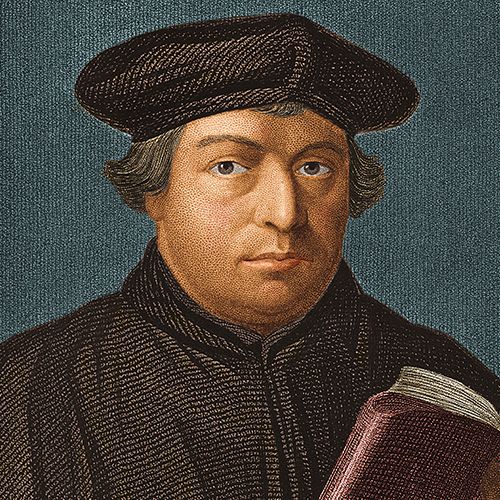
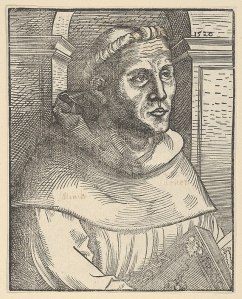
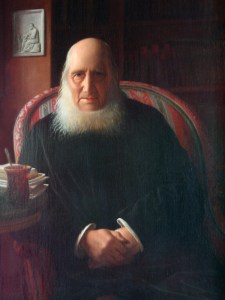
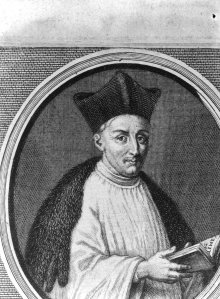
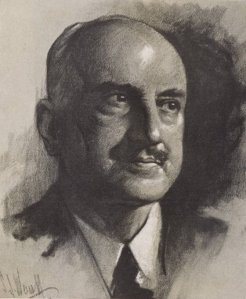
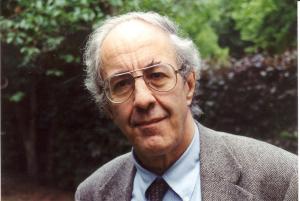
(1483-1546)
“A Christian is never in a state of completion but always in a process of becoming.” (Luther)
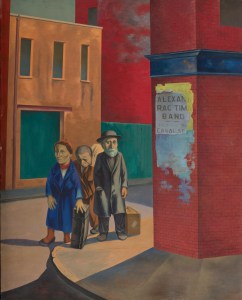
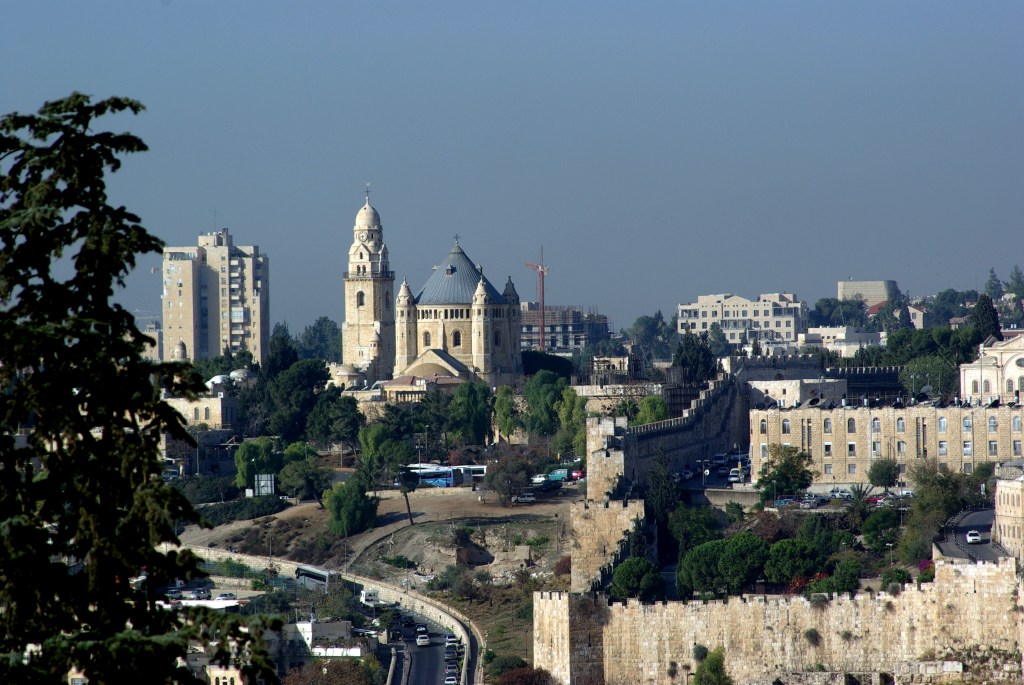
This week, the theme of journey—both physical and spiritual—guides my reflections. Several threads converge: the Genesis reading from Bible 365, the unfolding news from the Middle East, the comforting cadence of Psalm 121, and the approach of Reformation Sunday on October 26. Genesis invites us into the lives of Abraham, Sarah, Hagar, Ishmael, and Isaac. Their stories remind us that the ancient paths of that distant land still echo in our present. The Twenty-Point Gaza Peace Plan, though just the first step on a long and uncertain road, offers a breath of hope. We lift prayers for all who walk that path—especially those whose journeys carry unimaginable pain.
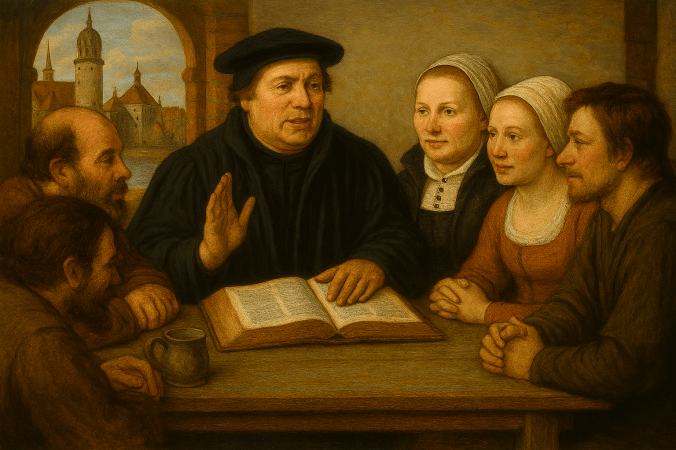
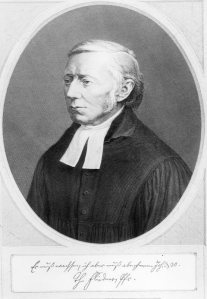
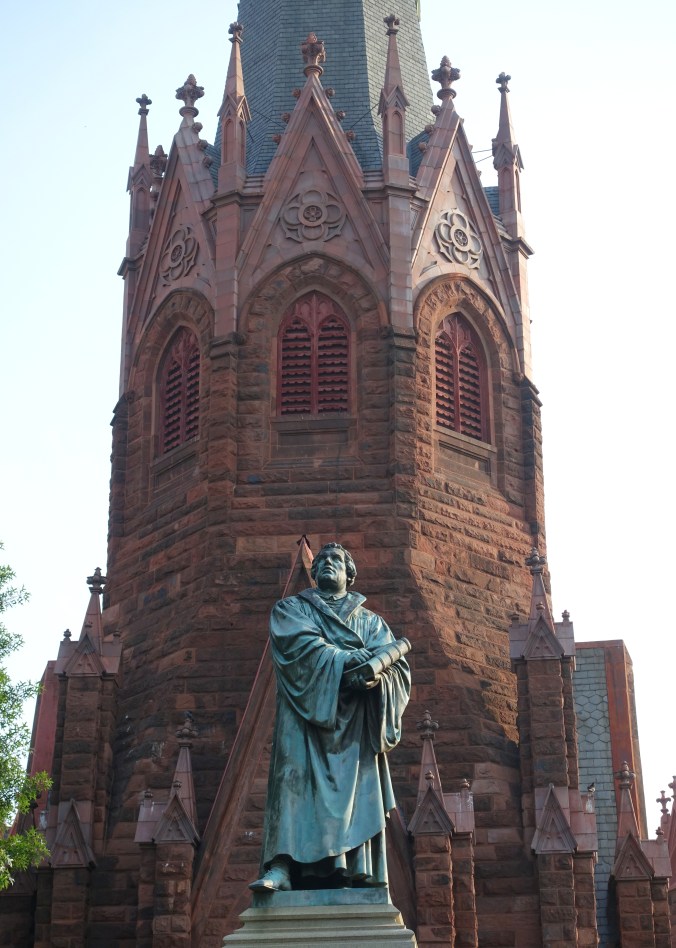
As I reflect on the journey of our church—the Evangelical Lutheran Church in America, born in 1987 through the merger of the ALC, LCA, and AELC—I find myself drawn back to 1517. Our spiritual forbear Martin Luther ignited a movement that reshaped the Christian world. The Reformation was not an endpoint, but the beginning of a pilgrimage—not toward a sacred place, but toward the unearned gift of grace. Luther’s insight that we are simul justus et peccator—both saint and sinner—captures the paradox at the heart of this journey. It’s a truth that continues to shape our communal and personal journeys with honesty, humility, and hope. And so is every step we take in faith. I’ll be sharing more of this history at ELC on Reformation Sunday.

And, speaking of journeys, Pastor Jen and Patti Whitworth from ELC, along with Deacon Laura Ramlow and Pastor Randy Olson from the Northwest Synod of Wisconsin, are traveling in Malawi for the next two weeks, visiting members of our companion synod there (ELCM). This partnership dates back to 1999. We wish them Godspeed as they engage with our sisters and brothers in Africa!
We have arrived at Pentecost 19 and have five Sundays remaining in the church year. Three commemorations are marked on the ELCA calendar this week: Teresa of Avila, teacher and renewer of the church (d. 15 October 1582), Ignatius, Bishop of Antioch, martyr (d. 17 October 115), and Luke the Evangelist (18 October). Thanks for your visit to this space again this week and for your continued interest in exploring the Lectionary. My reflections will focus on Psalm 121, including a musical selection and prayer that highlight our Christian journey.
** Note 1: Links to outside references are bolded and italicized and are meant for further reading or research on your part. While the text I am including in the blog is my own, I am pulling from a multitude of sites for ideas and connections.
** Note 2: In my increasing use of A.I. (Copilot), I will cite sourcing of how I am using the tool, if necessary. I don’t want that to be overly cumbersome, but I am gradually incorporating more tools. I am exploring the A.I. world this summer prior to my next teaching semester. As you can imagine, it is a great challenge right now and will forever change the face of education!
** Note 3: The images I include in the blog are drawn from Wikimedia Commons to the fullest extent possible.
Common Themes Among the Readings
Readings for Pentecost 19
Genesis 32: 22-31
Psalm 121
2 Timothy 3:14 — 4:5
Luke 18: 1-8
My source for the Bible readings each week is the Bible Gateway website. I generally use the NRSVUE translation.
The readings for Pentecost 19 share a powerful theme of perseverance in the face of struggle, grounded in divine faithfulness. In Genesis 32, Jacob wrestles through the night and emerges transformed, a metaphor for spiritual striving and blessing through endurance. Psalm 121 offers assurance that God watches over the pilgrim’s journey, providing protection and guidance amid uncertainty. Paul’s words to Timothy urge steadfastness in Scripture and ministry, even when the path is difficult and the truth contested. Jesus’ parable in Luke 18 affirms that persistent prayer and faith will be met with justice, reminding believers that God honors those who do not lose heart.
“Describe the common themes among the readings for Pentecost 19.” Copilot, 11 October 2025, Copilot website.
LUTHER’S METHOD OF BIBLE READING
A Revision of the Lectio Divina (Augustinian)
Three Steps
Oratio (Prayer): This is the starting point, where one humbly prays for the Holy Spirit’s guidance to understand God’s Word. Luther emphasized that prayer prepares the heart and mind to receive divine wisdom.
Meditatio (Meditation): This involves deeply engaging with Scripture, not just reading it but reflecting on it repeatedly. Luther encouraged believers to “chew on” the Word, allowing its meaning to sink in and shape their thoughts and actions.
Tentatio (Struggle): Often translated as “trial” or “temptation,” this refers to the challenges and spiritual battles that arise as one seeks to live according to God’s Word. Luther saw these struggles as a way God refines faith, making it more resilient and authentic.

Psalm 121
A Song of Ascents.
1 I lift up my eyes to the hills—
from where will my help come?
2 My help comes from the Lord,
who made heaven and earth.
3 He will not let your foot be moved;
he who keeps you will not slumber.
4 He who keeps Israel
will neither slumber nor sleep.
5 The Lord is your keeper;
the Lord is your shade at your right hand.
6 The sun shall not strike you by day
nor the moon by night.
7 The Lord will keep you from all evil;
he will keep your life.
8 The Lord will keep
your going out and your coming in
from this time on and forevermore.

Carroll County Maryland
Reflection: A Psalm for the Journey

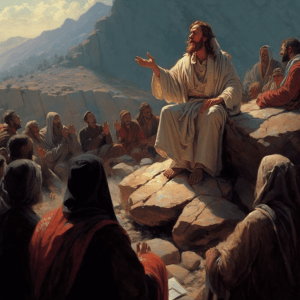
Martin Luther called the Psalms “a little Bible” because they contain the heart of theology. As a young Augustinian Monk, his early lectures on the Psalms at Wittenberg (1513–1516), in part, shaped his personal devotion and laid the groundwork for his challenge to Church doctrine. Immersed in their emotional depth, he encountered themes of suffering, justice, mercy, and trust that resonated with his own spiritual journey. The language of the Psalms gave him both comfort and courage as he moved toward proclaiming a gospel rooted in grace. He saw the Psalms not as distant hymns but as intimate prayers that spoke to the soul’s deepest needs.

During a family trip to Colorado in the late 1970s, my father offered an impromptu devotion as we hiked near the Continental Divide. He recited Psalm 121—a moment that felt transcendent and marked my memory. Years later, I learned it was his favorite Psalm when he specifically requested it be read at his funeral. While sorting through his papers after his passing, I discovered that Psalm 121 had also been read at his father’s funeral in February of 1945—a service Unk sadly missed because he was off fighting in World War II. Though I can’t prove it, I believe he wanted me to uncover that connection — he had a knack for producing such moments. As you might imagine, Psalm 121 now lives in my heart with deep and enduring meaning.
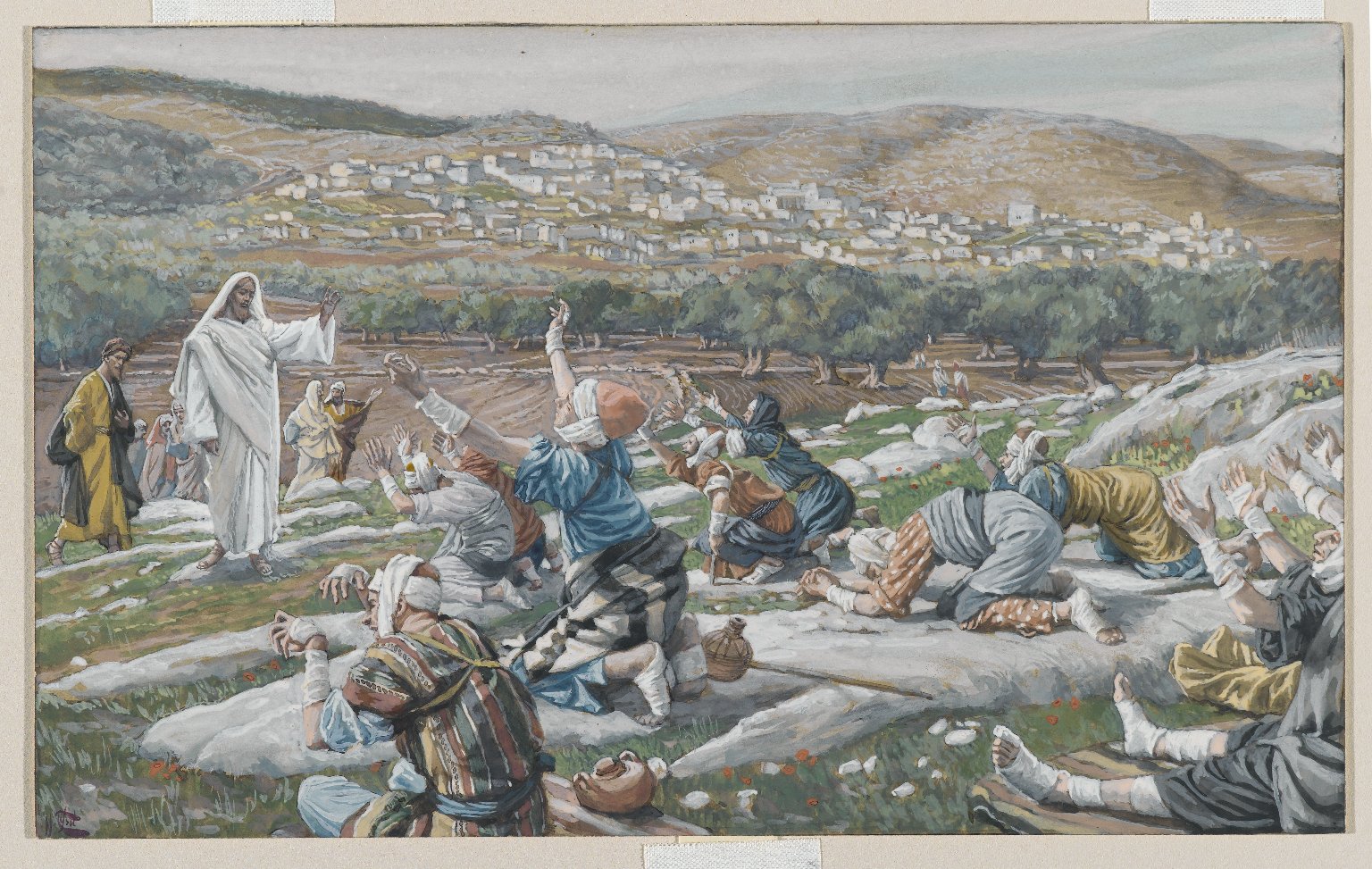
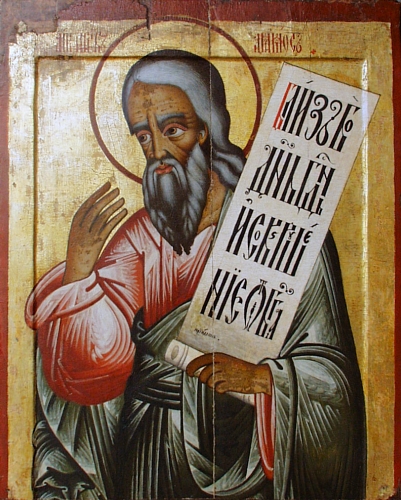
Here’s some background on this beautiful eight-verse poem. Psalm 121 is part of the Songs of Ascents (Psalms 120–134), a collection traditionally sung by Hebrew pilgrims traveling to Jerusalem for major festivals like Passover, Pentecost, and the Feast of Tabernacles — moments of remembrance, thanksgiving, and renewal within Judasim. The phrase “ascents” refers both to the physical climb toward Jerusalem—situated in the Judean highlands—and the spiritual elevation toward God’s presence in the Temple. Scholars believe the Psalm dates to the 8th Century BCE, a time when the Assyrian threat was a daily reality.
The Psalm moves this way: In verses 1-2, a traveler who is ready to embark asks the overarching question followed by a confident confession of faith in God; in verses 3-6 another person tells the traveler that the Lord who watches over Israel will offer protection for the journey; and in verses 7-8, that same person assures the traveler that God’s protection will continue in all circumstances in this life and beyond.
Psalm 121, like so many others, invites us to slow down and let its words sink in. I’m reminded that many elders in the faith have modeled the importance of memorizing scripture as a way of carrying wisdom with us, something I am pursuing more as I age. Further, poetry helps us pay attention. It opens our eyes to the rhythms and images around us, igniting our imagination with language that surprises and stirs. This Psalm speaks to the journey we’re all on. It reminds us that God watches over our “coming and going,” offering steady comfort when life feels uncertain, uphill, or just plain hard. So let these words travel with you — write them on your heart. We are not alone. This is good news for us to share!
Soli Deo Gloria
Note: I am indebted to an analysis of Psalm 121 offered by James Limburg of Luther Seminary. You can access his article here.
A Musical Offering: Wayfaring Stranger
“Wayfaring Stranger” is a traditional American folk and gospel song that likely emerged in the early 19th century, with its earliest known publication appearing in Joseph Bever’s Christian Songster in 1858. Rooted in both Appalachian folk traditions and African American spirituals, the song gained resonance during the Civil War, when its lyrics became associated with the “Libby Prison Hymn,” offering comfort to Union soldiers in captivity. The hymn’s narrator describes a journey “through this world below,” expressing a deep longing for reunion and rest “in that bright world” beyond suffering. This portrayal of life as a pilgrimage echoes the Christian vision of being in the world but not of it, drawing on biblical themes of exile, grace, and homecoming. Consider the words of Psalm 121 as you listen. I have also read other commentaries that link the song to Hebrews 11: 13-16. There are many versions of the song out there by a range of artists including Joan Baez and Johnny Cash, among others. I found this rendition by VOCES8 US Scholars especially powerful! (Note: As is the case with many spirituals, there are many different versions of the lyrics).
From the VOCES8 website:
2017 saw the launch of the US Scholars Program: a training opportunity for twelve talented singers who have a particular interest in choral and small ensemble singing. With tutoring from Paul Smith, Erik Jacobson and VOCES8, the Scholars gain experience in performing, recording and workshop leading, with opportunities to sing alongside VOCES8.
I’m just a poor wayfaring stranger, I’m trav’ling through this world below;
There is no sickness, toil, nor danger, In that bright world to which I go.
I’m going there to see my father, I’m going there no more to roam;
I’m just a going over Jordan, I’m just a going over home.
I know dark clouds will gather o’er me, I know my pathway’s rough and steep;
But golden fields lie out before me, Where weary eyes no more shall weep.
I’m going there to see my mother, She said she’d meet me when I come;
I’m just a going over Jordan, I’m just a going over home.
I want to sing salvations story, In concert with the blood-washed band;
I want to wear a crown of glory, When I get home to that good land.
I’m going there to see my brothers, They passed before me one by one;
I’m just a going over Jordan, I’m just a going over home.
I’ll soon be free from every trial, This form will rest beneath the sod;
I’ll drop the cross of self-denial, And enter in my home with God.
I’m going there to see my Saviour, Who shed for me His precious blood;
I’m just a going over Jordan, I’m just a going over home.
A Prayer Reflection: The Wayfarer’s Prayer (Tefilat HaDerech)
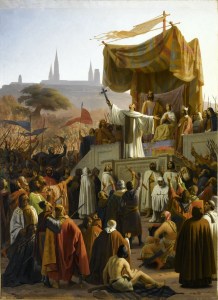
Background: The Jewish Traveler’s Prayer or Wayfarer’s Prayer (Tefilat HaDerech in Hebrew), originates from the Babylonian Talmud and is recited at the start of a journey to seek divine protection. (The Babylonian Talmud was compiled and redacted between the 3rd and 6th centuries CE, with its final redaction traditionally attributed to around 500–600 CE). It asks for safety from physical and spiritual dangers, favor in the eyes of others, and a peaceful arrival. Traditionally said when traveling a significant distance, it reflects communal values by using plural language even when recited alone. Today, it remains a meaningful ritual for observant Jews embarking on trips by land, sea, or air. It seems entirely appropriate for those from our Synod who are on their way to Malawi as I write these words!
May it be Your will, Lord, our God and the God of our ancestors, that You lead us toward peace, guide our footsteps toward peace, that we are supported in peace, and make us reach our desired destination for life, gladness, and peace. May You rescue us from the hand of every foe and ambush, from robbers and wild beasts on the trip, and from all manner of punishments that assemble to come to earth. May You send blessing in our handiwork, and grant us grace, kindness, and mercy in Your eyes and in the eyes of all who see us. May You hear the sound of our humble request because You are God Who hears prayer requests. Blessed are You, Lord, Who hears prayer. Amen.
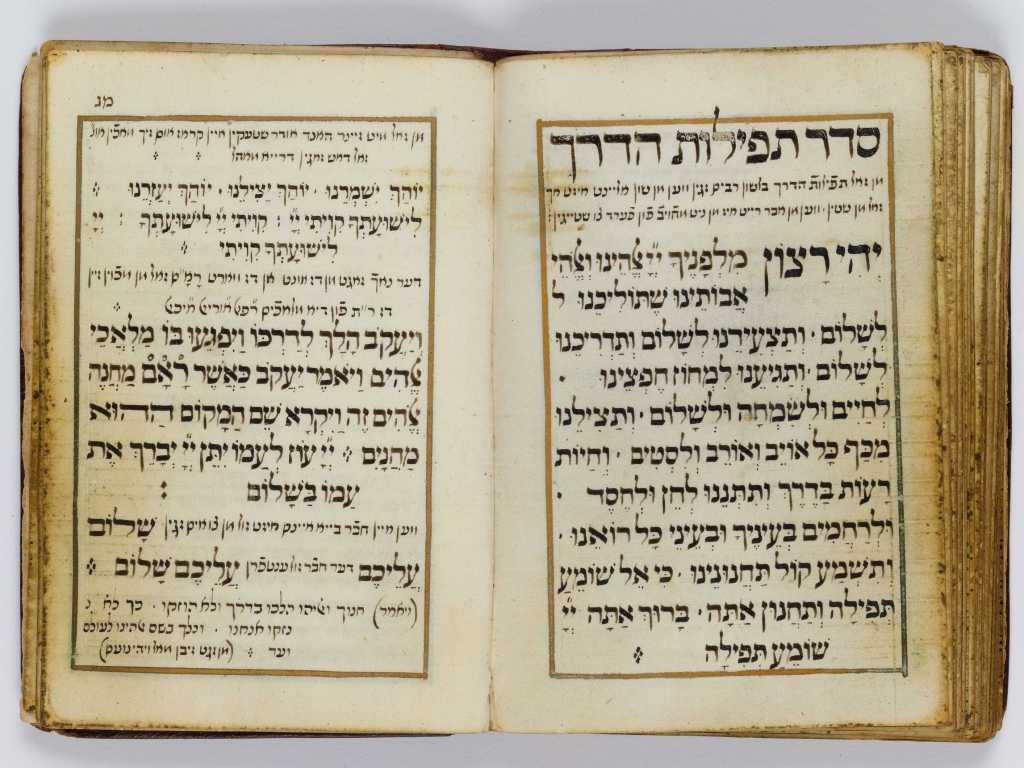
The background, English translation of the prayer and image from the Talmud were drawn from a variety of on-line sources, accessed through Co-Pilot, 12 October 2-25.
Faithful Conversations Updates
Join us for some free-flowing conversation about the Lectionary readings each Sunday. We meet from 10:45-11:30 in the church library each week, with some exceptions. No prior knowledge is necessary! ALL ARE WELCOME! And, let’s discuss these questions when we gather (or any other questions you would like to raise for the group!):
1. What does it mean to “lift up our eyes to the hills” in times of uncertainty—and how does this posture shape our understanding of help and hope?
2. How does the repeated promise that “the Lord will keep” speak to our need for protection, rest, and trust—especially in seasons of transition or vulnerability?
THIS WEEK’S BIBLE 365 READING CHALLENGE:
Monday 13 October: Genesis 46-47, Psalm 15
Tuesday 14 October: Genesis 48-50, Psalm 16
Wednesday 15 October: Exodus 1-3, Psalm 17
Thursday 16 October: Exodus 4-6, Psalm 18
Friday 17 October: Exodus 7-9, Psalm 19
Saturday 18 October: Exodus 10-12, Psalm 20
Sunday 19 October: Exodus 13-15, Psalm 21
Here is a LINK to the full Bible 365 Plan!
The Bible 365 Challenge!
More than 60 members of our faith community have committed to the Bible 365 Challenge—a shared journey of reading through the entire Bible in one year. Each day, we engage with selected passages weaving together stories of faith, struggle, grace, and redemption. This challenge isn’t just about completing a task; it’s about deepening our spiritual roots, building community, and discovering how scripture speaks into our lives today.