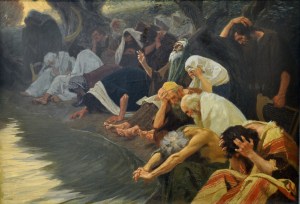
Henry Nouwen: Sent by the Community

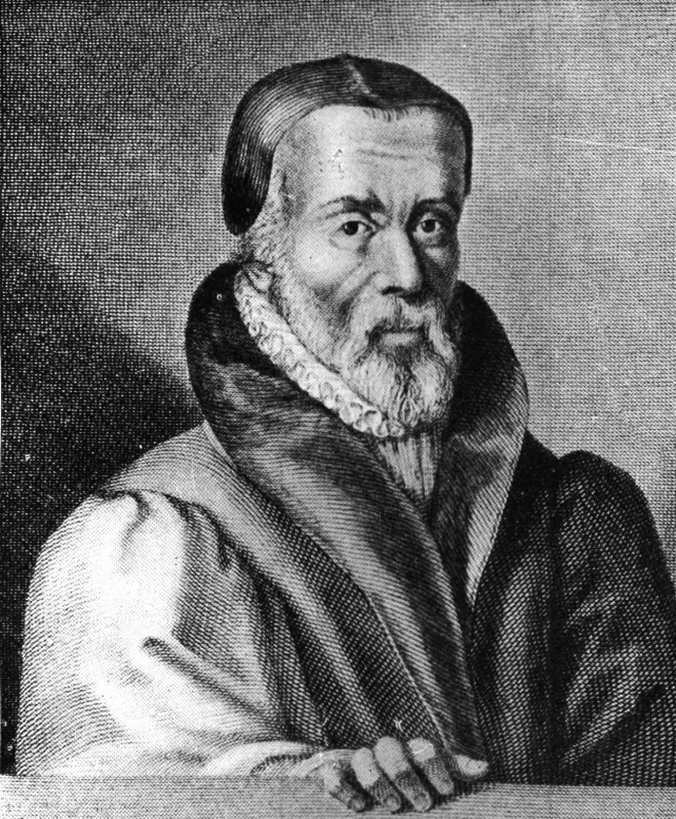
(1932-1996)
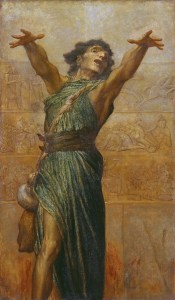
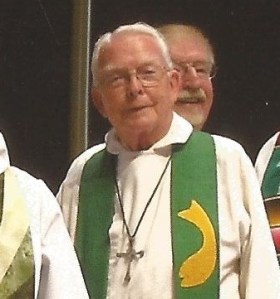
“There are many ways of being a peacemaker. We need to experience our own humble task as part of the Body of Christ and encourage others to accept their task. Whatever it is we do, we need to feel sent by the community rather than working as isolated individuals. And we need to pray for one another, for our common life and for our common task. Such intercessory prayer is a basic to Christian community.”
From the Henri Nouwen Society’s Daily Meditations, 9 October 2026. ACCESS THE SITE HERE!
Navigate the Blog Here
Two Worlds is a digital ministry space that shares the RCL readings, a brief homily, and supporting images, music, and ELCA commemorations. The blog is authored by Paul Rykken in consultation with Pastor Jen Hatleli of Evangelical Lutheran Church in Black River Falls, Wisconsin (ELCA). The blog lands more naturally on a larger screen. Also, hyperlinks are included for further information — they are bolded and italicized.
Pentecost 21 Readings
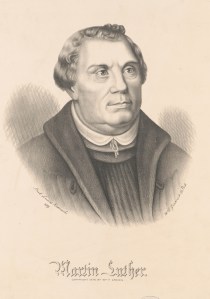
Luther on Bible Reading
“In truth you cannot read too much in Scripture; and what you read you cannot read too carefully, and what you read carefully you cannot understand too well, and what you understand well you cannot teach too well, and what you teach well you cannot live too well.”
Isaiah 45: 1-7
Psalm 96: 1-13
1 Thessalonians 1: 1-10
Matthew 22: 15-22
Readings are Linked

Common Themes/ Connections
The readings for Pentecost 21 center on God’s sovereign authority and the faithful response it calls forth. Isaiah proclaims that God alone directs the course of history, even working through unexpected figures like Cyrus to accomplish divine purposes. Psalm 96 expands that sovereignty into a cosmic call to worship, inviting all creation to rejoice in the Lord’s righteous rule. In 1 Thessalonians, Paul celebrates a community whose faithful witness flows from God’s power at work in them, while Jesus in Matthew teaches that true allegiance belongs to God, whose claim surpasses every earthly authority.
Image of the Week
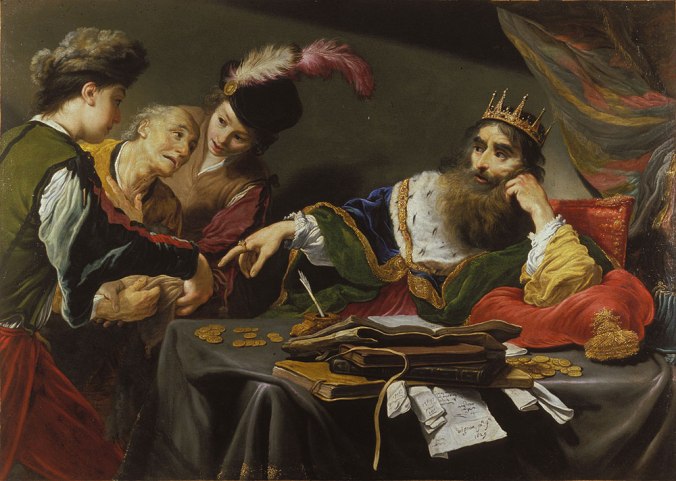
Mattia Preti’s Tomyris Receiving the Head of Cyrus tells a stark and emotional story with the bold light and shadow that define his Baroque style.
Preti, an Italian painter active in the 1600s, was known for taking dramatic historical moments and giving them a strong visual punch. Here he shows Queen Tomyris receiving the severed head of Cyrus the Great after he attacked her people and caused the death of her son. The way Preti arranges the figures makes Tomyris’s grief and resolve easy to read, even without knowing the full story. The whole scene carries a heavy, somber weight, as if Preti wants us to feel both the cost of Cyrus’s ambition and the strength of Tomyris’s response.
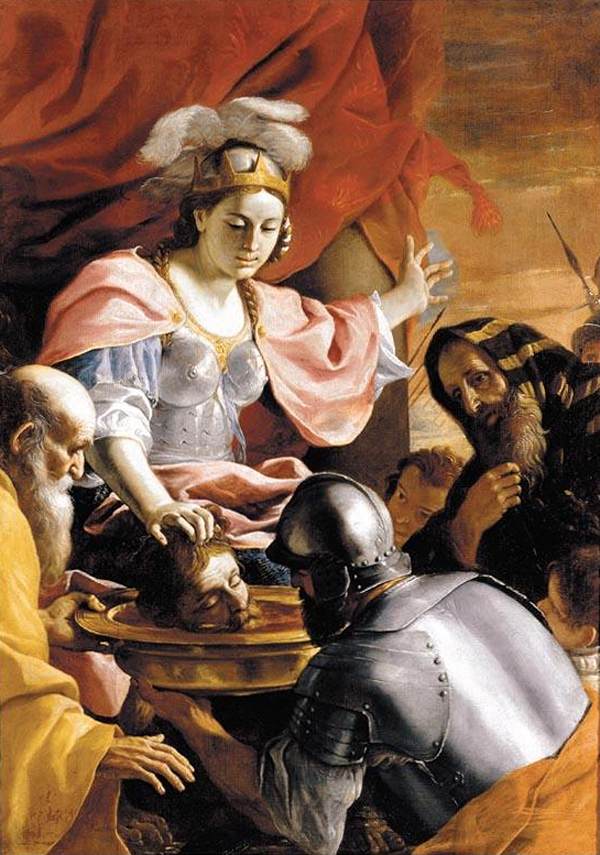
(1613-1691)
Four-Minute Homily: Pentecost 21
“Hope from Unexpected Leaders”

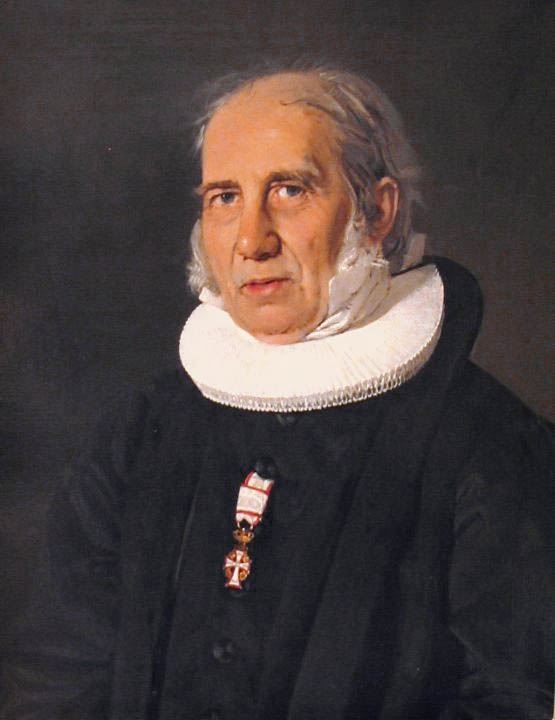
(1915-2003)
Dr. Herman Larsen looked at me over his glasses and said, “It’s always important to contemplate the role of God in human history.” I was sitting in his office — a nervous freshman at Concordia, giving an oral report on a Luther biography. He stopped me cold with that line. Only later did I learn that Larsen — St. Olaf and Yale trained, brilliant, disciplined — had survived three years in a Japanese prison camp during World War II while serving as a missionary in China. He never boasted about it, but he clearly believed God had carried him through. I thought about him again this week while reading Isaiah’s astonishing claim that God would work through Cyrus, a foreign ruler who did not know the Lord, to free Israel and rebuild Jerusalem. (Sidenote: Larsen was an intimidating presence in class and taught me the importance of preparation!).
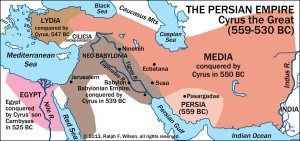
Cyrus the Great ruled the Persian Empire with a reach unmatched in his day, stretching from modern Iran into Turkey. Scripture names him twenty‑three times and, remarkably, calls him “messiah” — the only non‑Israelite to receive that title. Isaiah insists that God will “grasp his right hand,” break down barriers before him, and use him to set the exiles free. Ezra later records Cyrus’s own decree: God has given him the kingdoms of the earth and charged him to rebuild the temple. In other words, God can work through people who stand far outside the expected circle of faith.
Two lessons rise from this story. First, Larsen was right: we must contemplate God’s role in history. God acts in ways we cannot predict, often through people we would never choose, to accomplish purposes we barely understand — history in real time feels like a blur. That truth matters now, especially as the Middle East endures violence, fear, and deep generational wounds; Isaiah reminds us that God can work through unexpected leaders and unlikely moments to open paths toward justice and peace. We pray that such leaders may emerge. Second, Isaiah’s witness steadies us in a fearful time. Even when the world feels dangerous or hopeless, God surrounds us with steadfast love and calls us to walk into that world with courage, grace, and strength — trusting that God still works through unexpected people to bring freedom, justice, and hope.
Soli Deo Gloria!
Musical Reflection: Deep River
Deep River grew out of the spiritual tradition of enslaved African Americans, who used the Jordan River as a bold symbol of freedom and God’s saving power. The Fisk Jubilee Singers carried the song into wider public life in the late 19th century, and Harry T. Burleigh’s early‑20th‑century arrangements brought it into churches and concert halls. Its plea to “cross over” speaks directly to courage, longing, and trust in God’s presence. Isaiah 45 echoes that hope by proclaiming a God who breaks down barriers and leads people out of captivity, opening a path toward liberation. Psalm 96 adds another layer, calling all creation to sing of God’s justice — a justice that hears the oppressed and promises deliverance, just as the spiritual itself has done for generations.
The version of the song included here comes from the University of North Texas A Capella Choir under the direction of Allen Hightower.
Lyrics
Deep river
My home is over Jordan
Deep river
Lord, I wanna cross over into campground
Oh, don’t you wanna go to that gospel feast?
That promised land where all is peace
Walk into Heaven and take my seat
And cast my crown at Jesus’ feet
Deep river
My home is over Jordan
Deep river
Lord, I wanna cross over into campground
Who Are We Commemorating This Week?
Note: The ELCA commemorates a wide range of Christians throughout the year as a way of remembering that God has worked through ordinary people in every age. These commemorations — drawn from Scripture, the early church, the Reformation, and more recent history — invite us to see faith lived out in many different vocations and cultures. They aren’t about elevating “heroes,” but about widening our sense of the communion of saints and letting their witness encourage our own. In marking these days, the church pauses to give thanks, to learn, and to be reminded that the Holy Spirit continues to shape faithful lives in every generation.
We have three commemorations this week. You will find the full listing of them in the front of the ELW.
Week of 12 October
Thursday 15 October
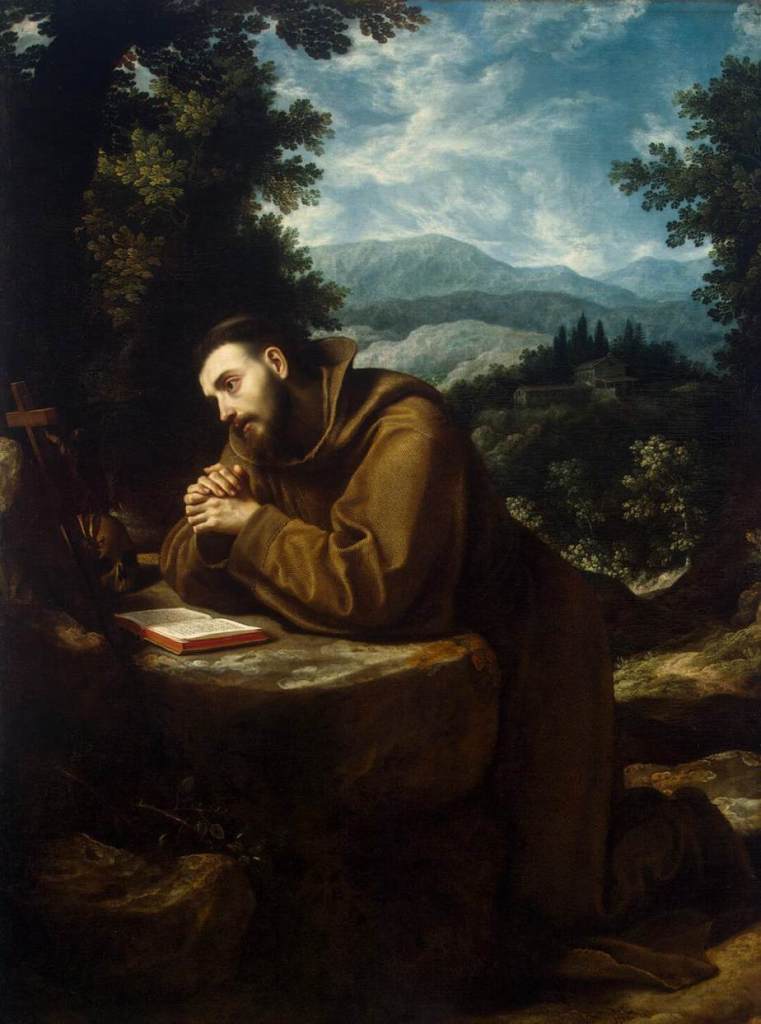
Teresa of Avila, teacher, renewer of the church (d. 1582)
Saturday 17 October
Ignatius, Bishop of Antioch, martyr (c. 115)
Sunday 18 October
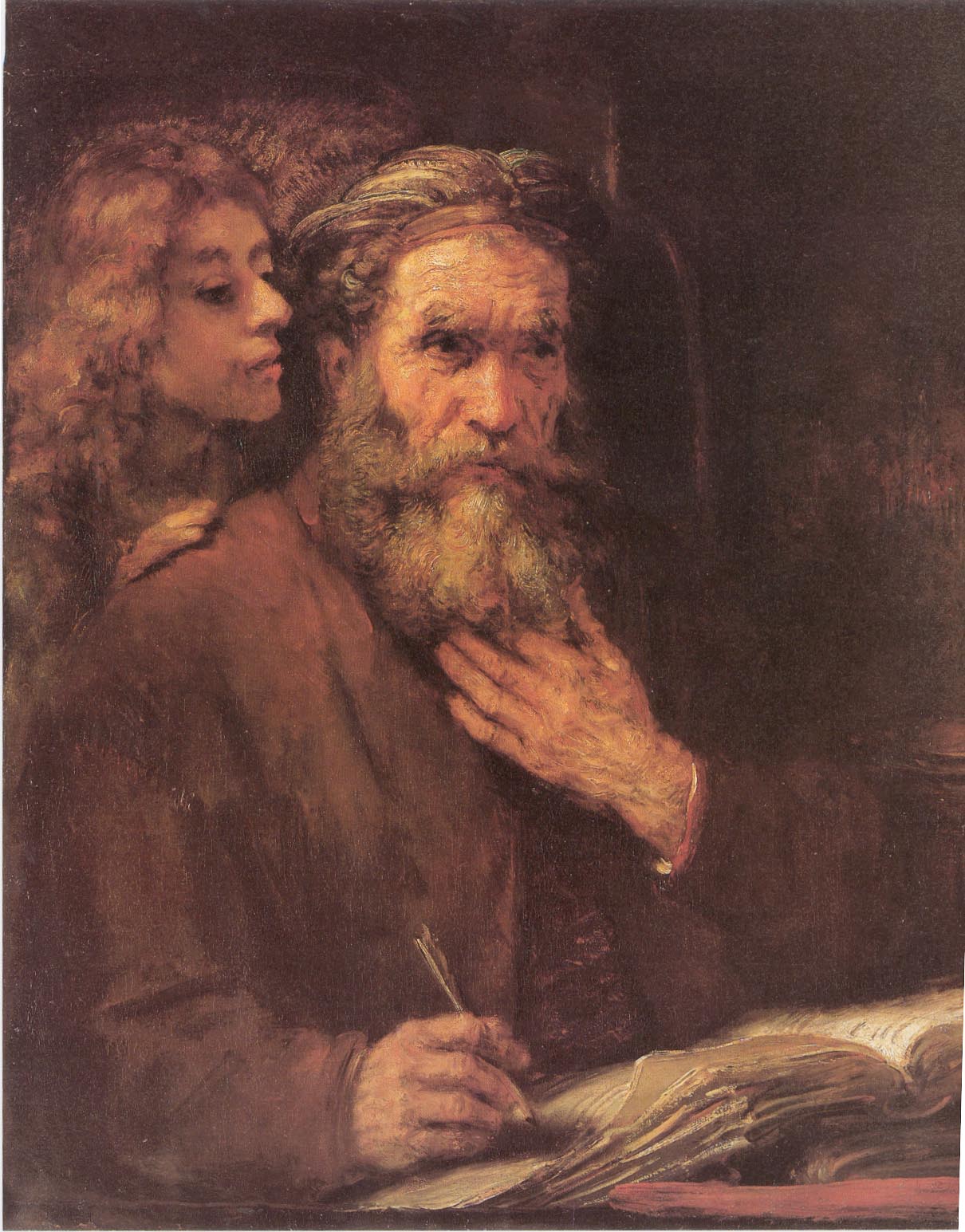
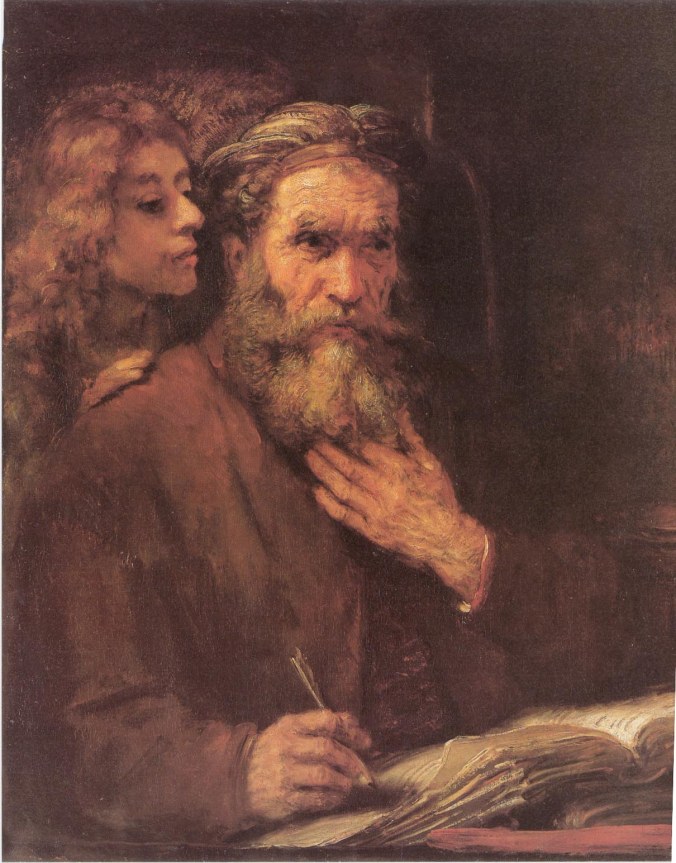
LUKE THE EVANGELIST
Further Information is Linked!
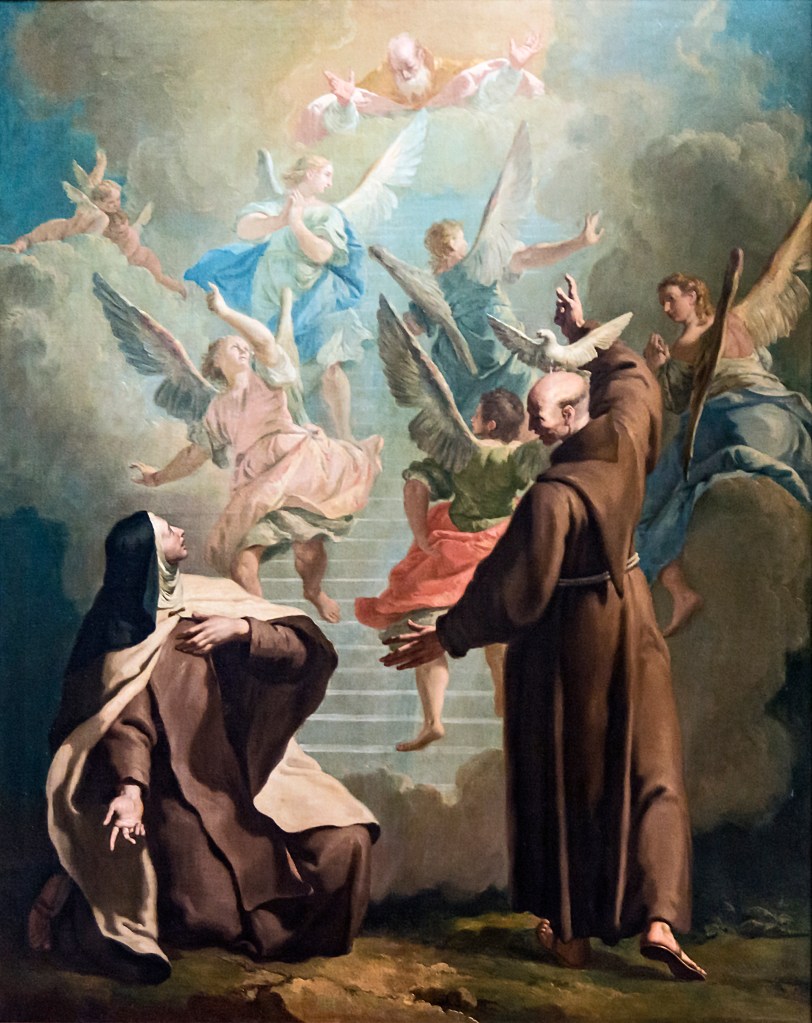
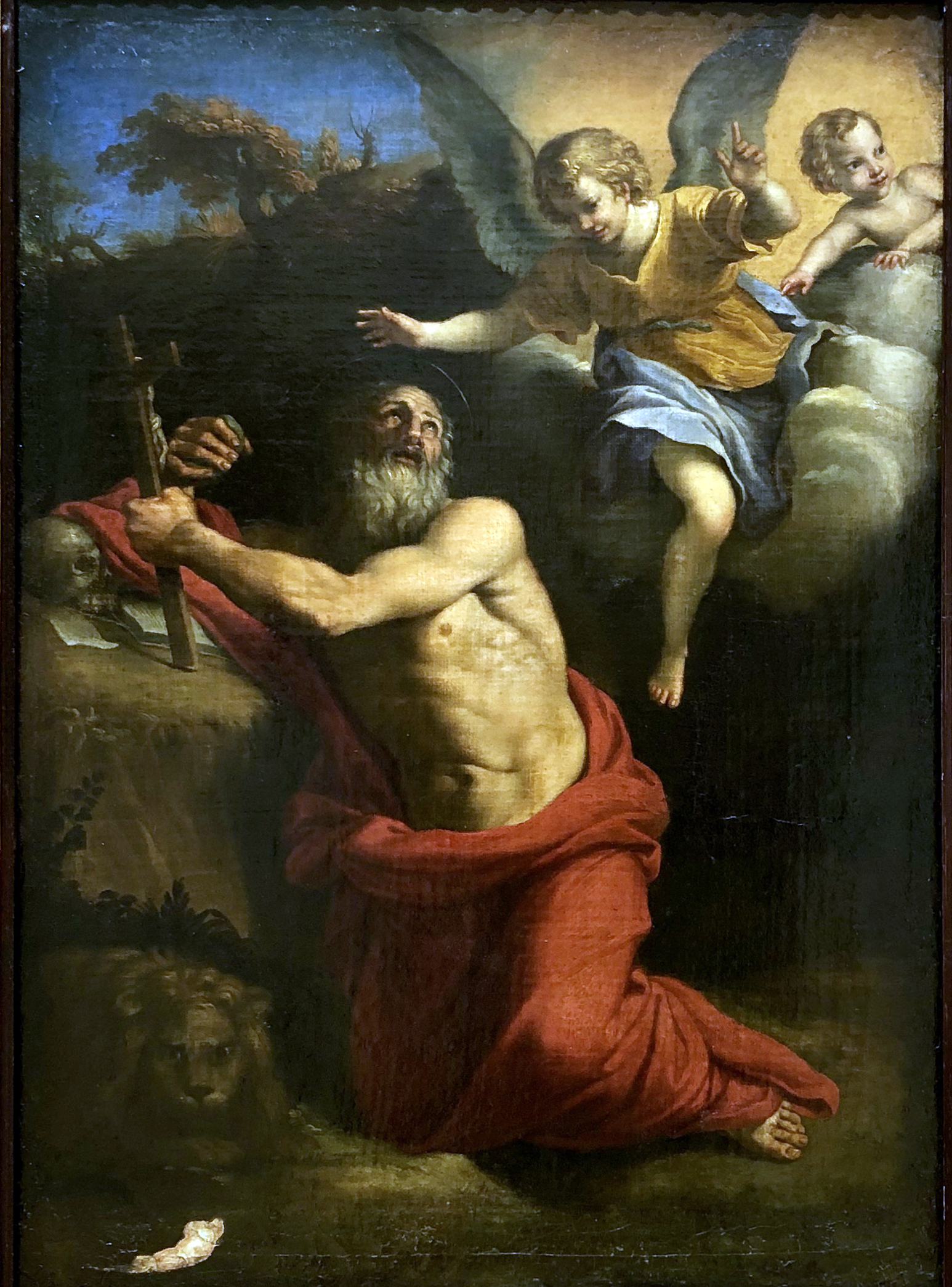
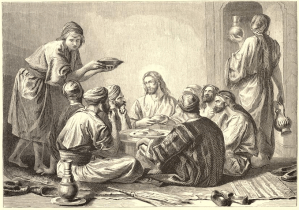
by Francesco Fontebasso 1765
Going Beyond
Digital Media: The Pivot Podcast
The Pivot Podcast — produced by Faith+Lead at Luther Seminary — helps Christian leaders navigate the real challenges facing congregations today. Each episode blends theological insight with practical wisdom, focusing on how churches can cultivate deeper discipleship, adapt faithfully to cultural change, and strengthen community life. It’s a thoughtful, accessible resource for anyone committed to helping the church grow in clarity, courage, and spiritual maturity.
Their most recent effort centers on DISCIPLESHIP and is excellent! The episode linked below explores why discipleship is challenging in today’s church and argues that everyone is already being shaped — by culture, media, and personal habits — long before they encounter Christian community. The hosts note that churches often rely on information and programs instead of the slow, relational work that actually forms people in faith. They call for a clearer vision of what a mature disciple looks like and for intentional practices that counter the powerful forces shaping people’s identities. Ultimately, the conversation encourages congregations to reclaim discipleship as their central mission and invest deeply in life‑on‑life formation.
ACCESS THE PODCAST HERE
Faithful Conversations
We’ve spent the past year at ELC discerning how best to offer adult study in a way that’s both flexible and consistent, and that work has led to a simple rhythm: Faithful Conversations, our weekly gathering on Sundays from 11:00 to 11:45 a.m. This space offers a rotating mix of lectionary discussion, Lutheran theology, spiritual disciplines, and congregational history—open to anyone, with no prior knowledge needed and no pressure to read or share.
We are currently doing a book study of Michael Foss’s Real Faith for Real Life. Session 3 (of 4) is on 18 October at 11:00 a.m. in the church sanctuary, continuing our exploration of practical Christian discipleship. Whether you have been there or not . . . .
ALL ARE WELCOME!