“We cannot do everything, and there is a sense of liberation in realizing that. This enables us to do something, and to do it very well. It may be incomplete, but it is a beginning, a step along the way, an opportunity for the Lord’s grace to enter and do the rest.” (Ken Untener)
Introduction
The opening excerpt this week comes from the pen of Fr. Ken Untener and is a marvelous statement regarding faith and mission. Untener was honoring the slain Archbishop Oscar Romero, murdered in 1980 after challenging those in power in El Salvador. The full prayer, titled “Prophets of a Future Not Our Own,” speaks volumes for those of us on the Christian journey — I commend it to your reading. My reference to Romero this week serves as a reminder that the ELCA commemorates him on Tuesday (24 March). Read more about his story here.
Thanks for your visit again this week! For three years, we have been using this space to better understand the Revised Common Lectionary (RCL), providing context for our worship experience. And a quick reminder: The RCL provides a set of readings from the Bible for the various seasons of the church year. It was preceded by the Common Lectionary (1983), which in turn was based on the 1969 Ordo Lectionum Missae, the three-year lectionary produced by the Roman Catholic Church following the reforms of the Second Vatican Council (1962-1965). Forgive my descent “into the weeds” here, but the background is necessary for understanding WHY we refer to next Sunday as both Palm and Passion Sunday. Here is a short explanation, if you’re interested. The ELCA follows this framing as well intentionally holding together two movements at the start of Holy Week. We begin with Jesus’ triumphal entry into Jerusalem, waving palms and singing hosannas, and then we turn toward the solemn proclamation of the Passion, entering the story that will shape the days ahead. (Sidenote: In my quest for understanding the evolution of our hymnbooks in my lifetime — the 1958 Service Book and Hymnal, the 1978 Lutheran Book of Worship, and the 2006 Evangelical Lutheran Worship — the Palm/Passion combination first shows up in the 1978 LBW. If interested, you can see the full layout of the Palm Sunday through Easter period on pages 256-270 of our current hymnal, the ELW. I’m giving you an opportunity here to really sharpen up your skills of “talking Lutheran!”).
Our walk through Lent continues and on Wednesday we will arrive on day 30 of that 40-day journey. MaryBeth and I are on the road back from Texas and I’m utilizing information from a prior Palm Sunday blog, including a great column by Cory Driver.
Soli Deo Gloria!
Navigate the Blog Here
- Introduction
- Palm Sunday Readings (Palmerum)
- Palm Sunday Reflection
- ELCA Commemorations This Week
- Reflective Music for Palm Sunday
- Meditative Prayer: Inspired by Isaiah 50: 4-9a
- Going Beyond: Faith at Work
A compelling question for us this week:
What kind of King am I actually welcoming who enters Jerusalem not on a warhorse, but on a donkey?
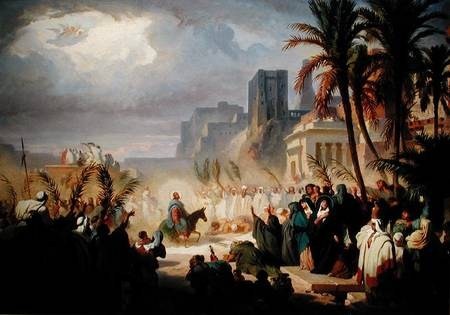
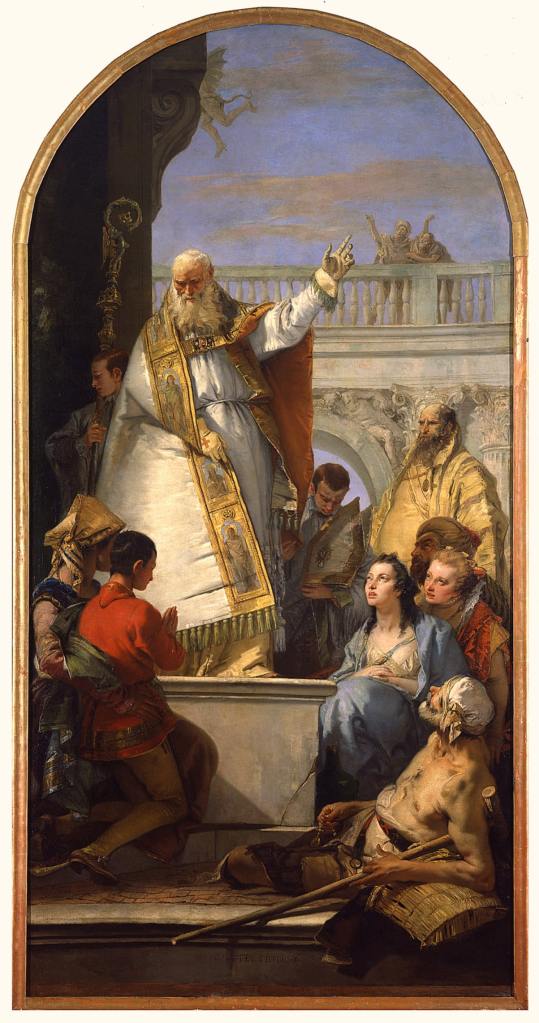
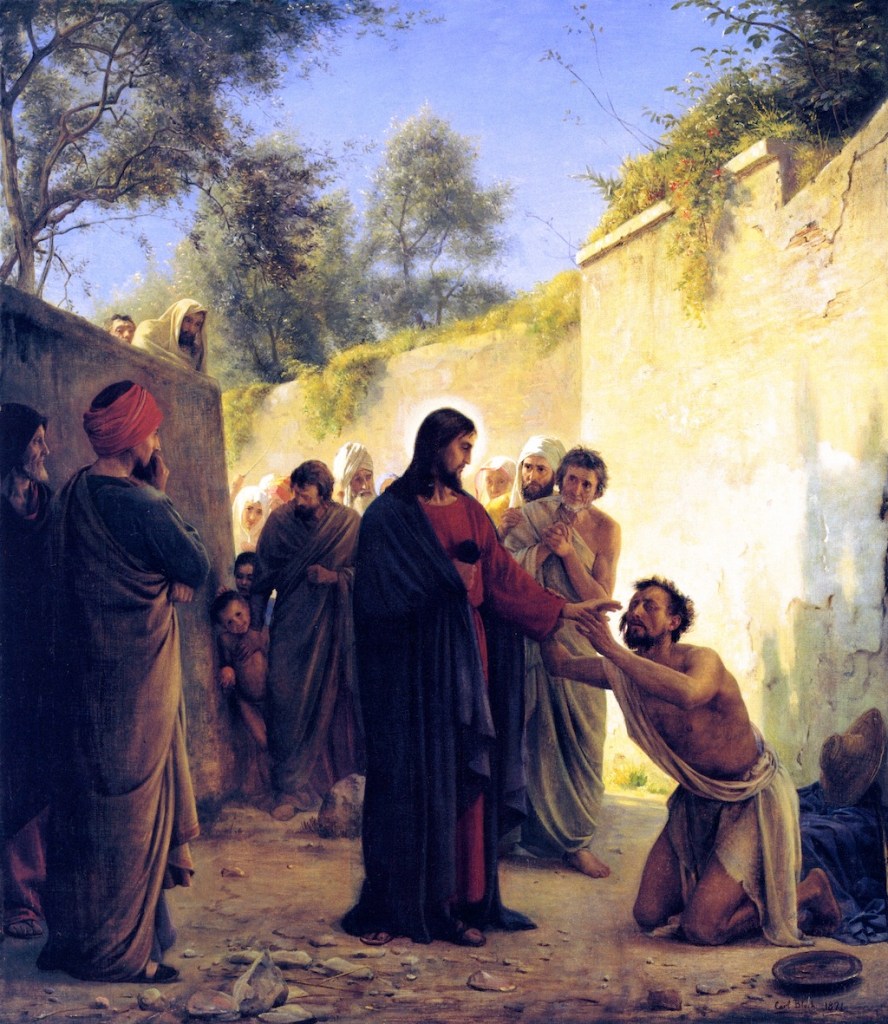
Leullier’s mid-19th Century painting, Entry of Christ into Jerusalem comes across like a lively street scene, with Jesus staying calm and steady while everything buzzes around him. The colors and movement naturally pull you toward him, even though the whole crowd is putting on a bit of a show. It captures that mix of celebration and quiet weight—like everyone knows something big is happening, even if they can’t name it yet.
Palm Sunday Readings (Palmerum)
Procession: Matthew 21: 1-11
Isaiah 50: 4-9a
Psalm 31: 9-16
Philippians 2: 5-11
Gospel: Matthew 27: 11-54
The Readings Are Linked!
Common Themes and Connecting Ideas
Palm/Passion Sunday traces the arc from Jesus’ humble entry into Jerusalem, welcomed as a king, to his rejection and suffering on the cross. Isaiah’s Servant and the psalmist’s lament frame this journey as one of steadfast obedience and trust in God amid humiliation, betrayal, and violence. Philippians deepens the theme by portraying Christ’s self‑emptying love, revealing that his suffering is not defeat but the path to exaltation. Together, the readings unveil a kingship defined by self‑giving service and a God who vindicates the righteous sufferer through love stronger than death.
Note: I utilize the Bible Gateway website for the readings (NRSVUE) and also receive as assist from Co-Pilot (A.I.) for summarizing the themes each week.
Palm Sunday Reflection
“Not Quite Ready for Palm Sunday”
The passion story (as noted above) is one of the texts for this Sunday. The following commentary by Cory Driver (Living Lutheran Blog) explores Jesus’ triumphal entry into Jerusalem, another text for this Sunday. Reading it, along with the passion story, takes us through a range of emotions — the highs and lows of Palm/Passion Sunday.
Access it here
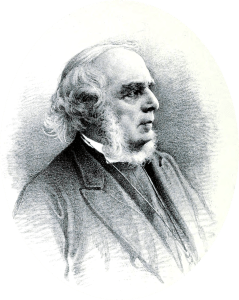
Driver is a pastor of the Evangelical Lutheran Church in America [ELCA].
Visit His Website!
ELCA Commemorations This Week
Oscar Romero, the Annunciation, and Hans Nielsen Hauge give us a surprisingly rich sweep of Christian witness in the week of 23 March. On 24 March, we remember Oscar Romero, the Salvadoran bishop whose preaching for justice and solidarity with the poor cost him his life at the altar in 1980. On 25 March, the Annunciation pulls us back to the heart of the story—God choosing to enter the world through Mary’s brave “yes,” a moment that sets the whole gospel in motion. And on 29 March, Hans Nielsen Hauge reminds us how the Spirit can stir renewal from the ground up, as his lay preaching energized everyday believers and reshaped Norwegian church life in the early 1800s. We keep these commemorations not just to honor the past, but to stay awake to the many ways God works through ordinary people — prophets, disciples, reformers — and to let their courage and faithfulness nudge our own.
Note: Many upper midwestern Lutheran parishes, including ELC in Black River Falls, have “Haugean” roots and date back to the pre-Civil War era and first Norwegian settlers in the region. Read more about Hauge’s story here.
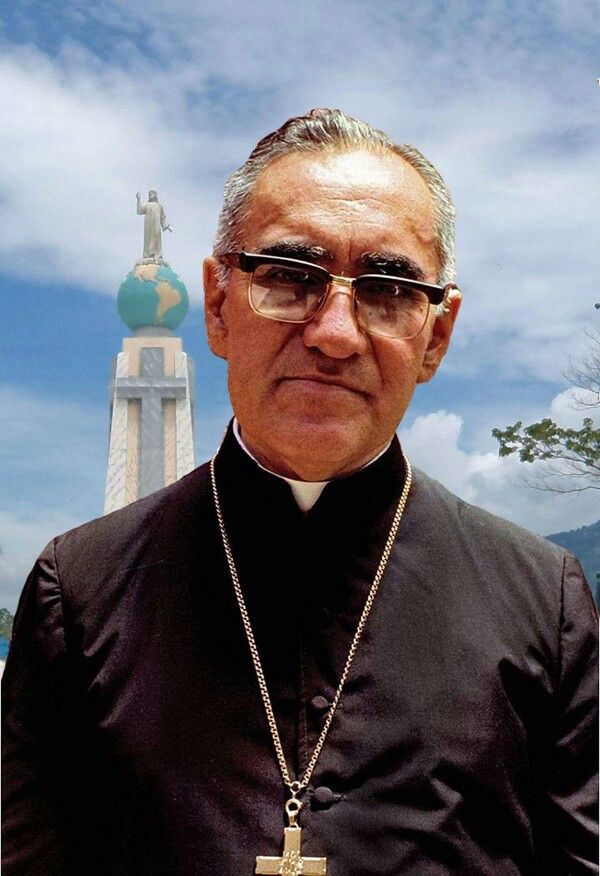
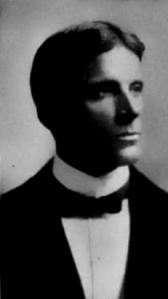
(1917-1980)
ELCA Commemorations This Week
Tuesday 24 March:
Oscar Romero, Bishop of El Salvador, martyr (d. 1980)
Wednesday 25 March:
ANNUNCIATION OF OUR LORD
Sunday 29 March:
Hans Nielsen Hauge, renewer of the church (d. 1824)
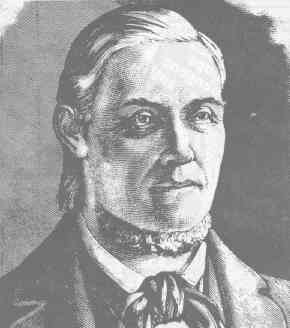
(1771-1824)
Reflective Music for Palm Sunday
“All Glory, Laud and Honor” has one of those backstories that feels almost tailor‑made for Palm Sunday. Theodulf of Orléans wrote it in the early 800s while he was sitting in a prison cell — hardly the setting you’d expect for a hymn full of praise and procession. The legend says the emperor heard him singing it through the bars and was so moved he ordered it sung every Palm Sunday. Even if that tale is embellished, it captures the hymn’s spirit: praise rising from a place of confinement. When John Mason Neale translated it centuries later and Melchior Teschner’s tune carried it into congregations, it became the soundtrack for Christians reenacting Christ’s humble ride into Jerusalem. And that’s where it connects so naturally to Leuillier’s painting — the hymn and the artwork both invite us to slow down and really see the scene, not as a grand parade but as a moment of unexpected kingship, where humility, color, and movement all point toward a different kind of glory.
Seraphic Voices of Toronto is a 26‑member ensemble founded in 2019 that blends Western choral traditions with the rich musical heritage of Africa. Under the leadership of Samuel Wesley Asare‑Kusi, the group brings together singers from diverse backgrounds to create a vibrant, cross‑cultural sound. Their repertoire ranges from classical works to contemporary African sacred music, reflecting a commitment to musical excellence and cultural storytelling. The ensemble has become known for themed concerts such as “An African Christmas Radiance” and for its growing presence in Toronto’s choral community. Together, these singers offer a joyful and compelling expression of faith, culture, and community through song.
Visit their website for more information.
Meditative Prayer: Inspired by Isaiah 50: 4-9a
Heavenly Father, grant us ears to hear Your wisdom each morning, and tongues to speak words of comfort to those in need. Strengthen our resolve to follow Your guidance steadfastly, even in the face of adversity, knowing that You are our refuge and strength. May we trust in Your faithfulness, finding our hope and salvation in Your everlasting love. Amen.
Going Beyond: Faith at Work
Join Us for Worship and Study
Evangelical Lutheran Church in Black River Falls, Wisconsin, and is part of the Northwest Synod of Wisconsin (ELCA). We stream our Sunday worship at 9:30 each week. Please feel free to join us!
Access our YouTube Channel here.
Interesting Ecumenical News This Week:
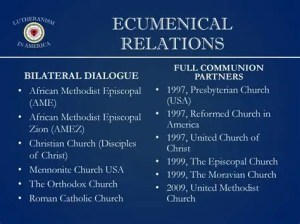
Sarah Mullally stepped into her role in January as the 106th Archbishop of Canterbury, making history as the first woman to hold the position. Her upcoming installation — often called an enthronement –marks the start of her public ministry as head of the Church of England and a unifying figure for Anglican churches around the world, including The Episcopal Church. Because the ELCA is in full communion with The Episcopal Church, Lutherans are closely connected to this wider Anglican family as well. Full communion means we share the Eucharist, recognize each other’s ministries, and work together in mission. Note the diagram detailing the churches with whom we are in full communion.
Read the full story of Mullally here!
FOR THOSE INVOLVED . . . .
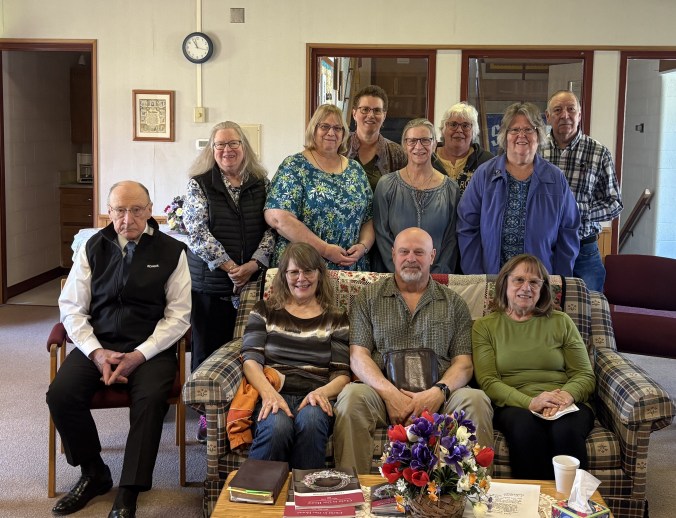
Our in-person Lectionary discussion group that meets at ELC will be off until APRIL 12TH. This is due to travel on my part and activities on Palm Sunday and Easter.