Faithful Conversations #139
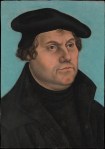
“This message is not a novel invention of ours but the very ancient, approved teaching of the apostles brought to light again. Neither have we invented a new Baptism, Sacrament of the Altar, Lord’s Prayer, and Creed; nor do we desire to know or to have anything new in Christendom. We only contend for, and hold to, the ancient: that which Christ and the apostles have left behind them and have given to us.” (Luther, Exposition on John, 1537)
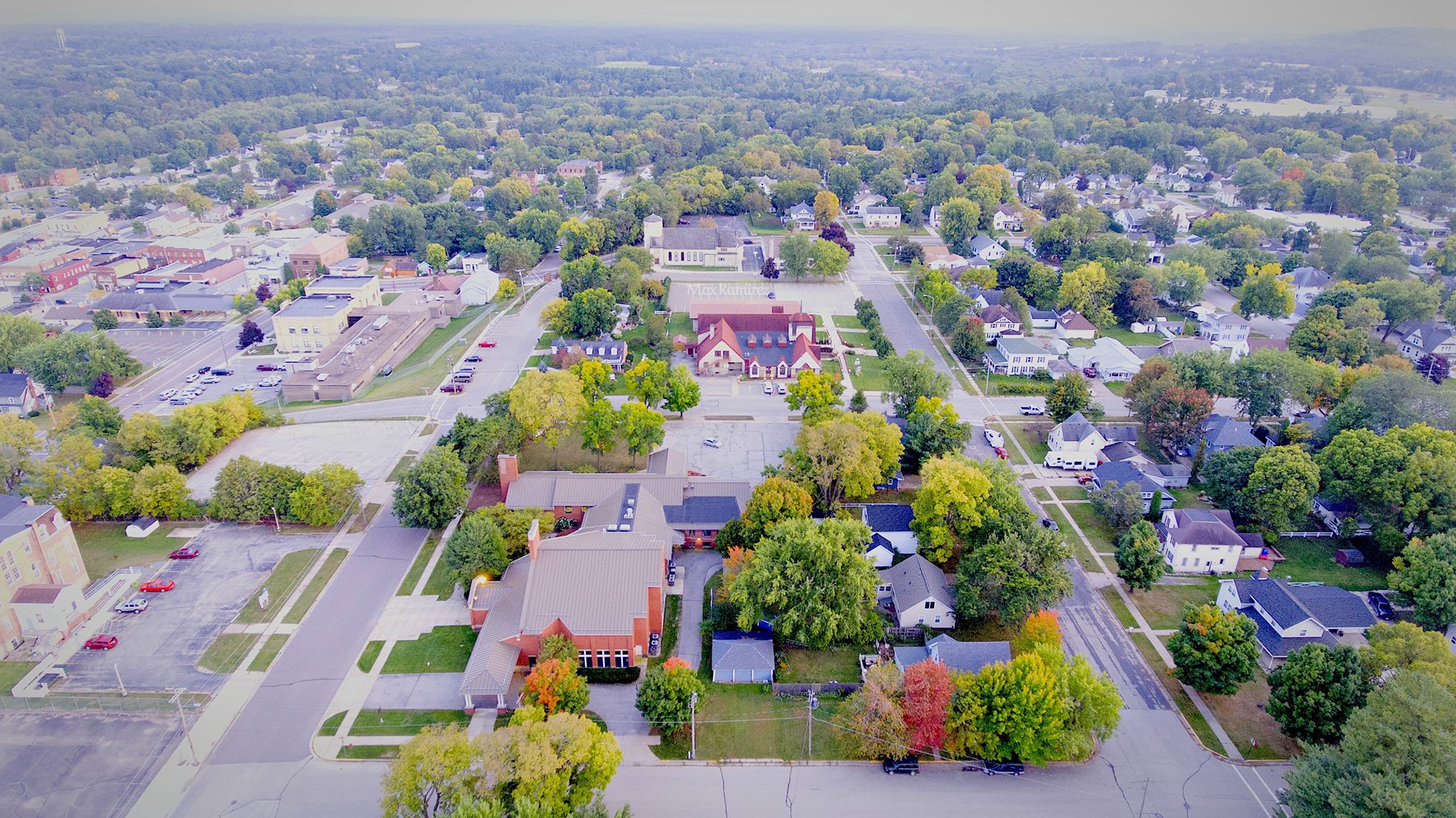
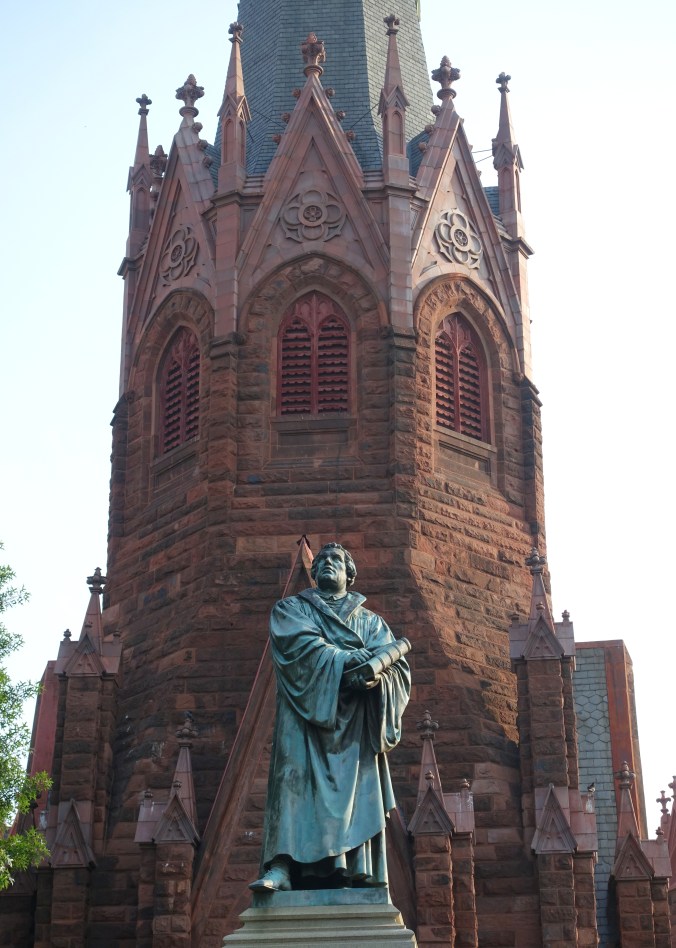
At the top of Main Street in Black River Falls — locals call it “Holy Hill” — three churches stand like sentinels: St. Joseph Catholic to the south, Evangelical Lutheran in the center, and United Methodist to the north. This quiet stretch holds echoes of five centuries of history. And Luther is a connecting rod in many respects. His bold actions in 1517 lit a fire. And, interestingly, it was Luther’s writing on Romans—his preface to Paul’s letter—that later stirred John Wesley’s heart in 1738, sparking the Methodist movement. On this hill, three traditions meet, each rooted in a story of reform, renewal, and the search for grace.

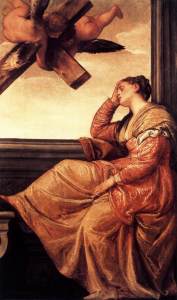
(1499-1552)

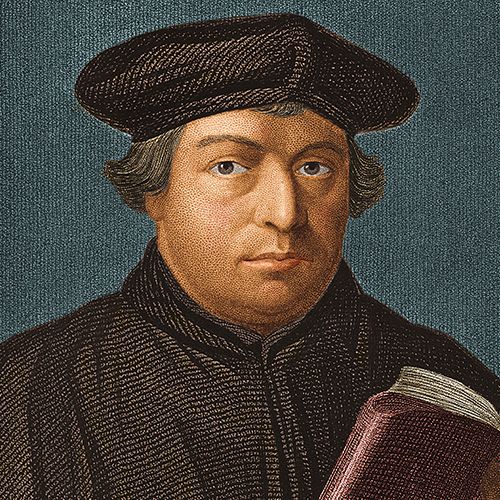
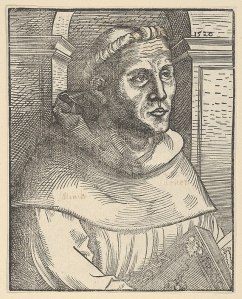
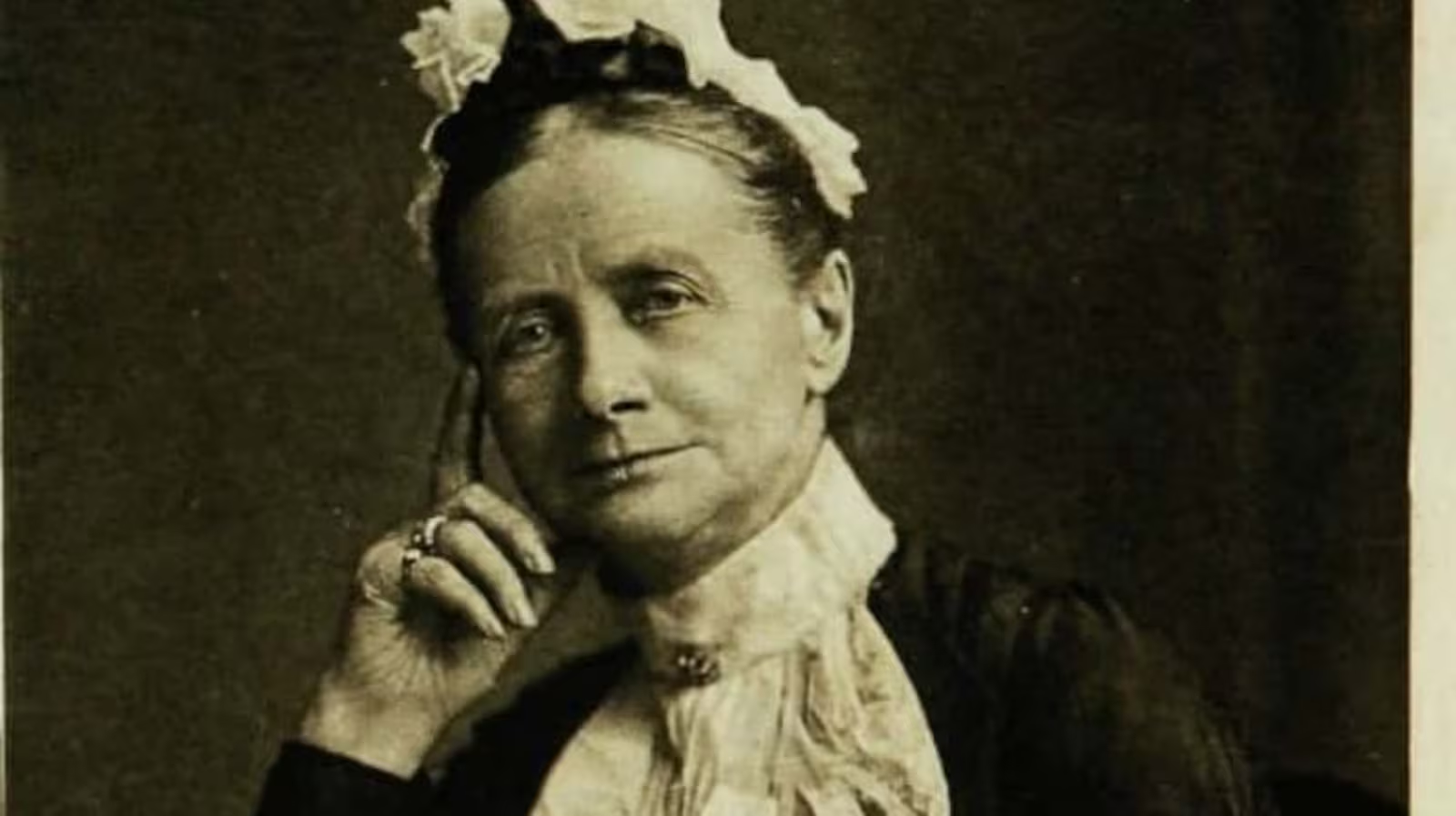
Reformation Sunday brings to mind both the power of tradition and the need for renewal. It was on 31 October 1517, 508 years ago, that a 33-year-old Augustinian monk, sent a list of 95 propositions to Archbishop Albrecht of Mainz challenging the Catholic Church’s practice of selling indulgences and calling for theological debate on repentance and grace (sidebar: there is no direct evidence that Luther personally nailed the 95 theses to the church door in Wittenberg, although it very well could have happened). His actions and what followed set in motion the Protestant Reformation. By 1519, followers of Luther were negatively labeled as “Lutherans” (picture opponents sneering) by those opposed to what Luther was doing — a name that eventually stuck. Luther preferred the term “Evangelical” to describe the movement. A few more details for background: Luther’s act of conscience challenging church doctrine led to his eventual excommunication by Pope Leo X (1513-1521) after his refusal to recant his positions at a meeting known as the Diet of Worms four years after his initial actions. Further, he was declared a heretic and outlaw by Charles V, Holy Roman Emperor, meaning anyone could legally capture or kill him without consequence. Protected by Elector Frederick of Saxony, Luther was spirited away to Wartburg Castle where he began translating the New Testament into German. In 1525, Luther married Katharina von Bora (1499-1552), a Cistercian nun who fled the convent. Talk about a rebellious power couple!
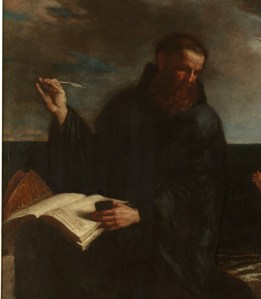
How should we view all of this from our 21st Century vantage point? It’s important to realize that Luther did not set out to break with Roman Catholicism. In fact, one can argue that he saw his actions as returning the Church to its ancient roots, as noted in the introductory quote. After all, Luther was steeped in the writings of Augustine (354-430), especially on sin, grace, predestination, and faith. He cited Augustine more than any other non-biblical source and even annotated Augustine’s texts by hand. Most notably, Luther fiercely rejected Pelagianism, believing that human will was bound by sin and incapable of choosing God without divine grace. His stance was shaped by his Augustinian training, which emphasized the total dependence of the soul on God’s mercy. Luther taught that salvation comes not through effort or merit, but through faith alone—a gift initiated by God, not earned by humans. In this view, Pelagianism was not just error but spiritual pride, denying the depth of human need and the power of grace. As Lutherans, we can summarize Luther’s theology with the following phrases: Sola Fide (faith alone), Sola Scriptura (scripture alone), Sola Gratia (grace alone), Solus Christus (Christ alone), and Soli Deo Gloria (To God alone be the glory). To use a football analogy — ala Vince Lombardi — this is the “power sweep” of Lutheranism.
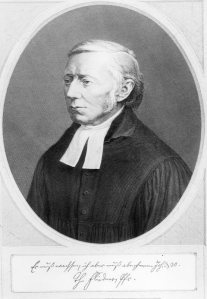
Thanks for visiting this space again this week! We have four Sundays remaining in the church year and next Sunday — All Saints Sunday — is another important milestone. Also, on 26 October, the ELCA commemorates Philipp Nicolai, Johann Heermann, and Paul Gerhardt—three towering figures in Lutheran hymnody whose work gave voice to faith amid suffering. Nicolai, writing during a devastating plague, offered hope through majestic chorales like “Wake, Awake” and “O Morning Star.” Heermann, shaped by personal illness and the ravages of the Thirty Years’ War, penned hymns of tender devotion and theological depth. Gerhardt, enduring profound personal loss and political exile, composed over 130 hymns that blend confessional clarity with heartfelt piety, securing his place as one of Lutheranism’s greatest poets. (Research drawn from Co-Pilot, 19 October 2025).
My reflections this week will focus on the Reformation texts within the theme of tradition and renewal. And, in keeping with the Luther focus, I’m offering one of his hymns and his morning prayer for your interest. In addition, I will be offering a homily on Sunday at ELC related to the Reformation.
** Note 1: Links to outside references are bolded and italicized and are meant for further reading or research on your part. While the text I am including in the blog is my own, I am pulling from a multitude of sites for ideas and connections.
** Note 2: In my increasing use of A.I. (Copilot), I will cite sourcing of how I am using the tool, if necessary. I don’t want that to be overly cumbersome, but I am gradually incorporating more tools. I am exploring the A.I. world this summer prior to my next teaching semester. As you can imagine, it is a great challenge right now and will forever change the face of education!
** Note 3: The images I include in the blog are drawn from Wikimedia Commons to the fullest extent possible.
Common Themes Among the Readings
Reformation Sunday Readings
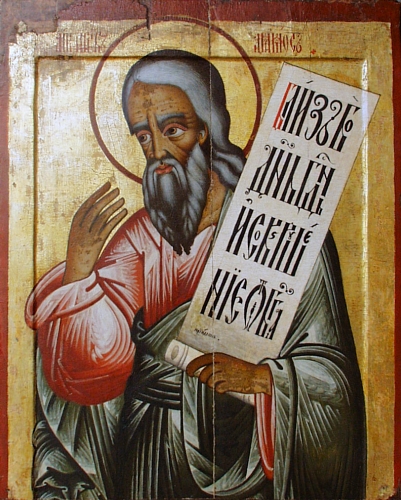
Jeremiah 31: 31-34
Psalm 46
Romans 3: 19-28
John 8: 31-36
My source for the Bible readings each week is the Bible Gateway website. I generally use the NRSVUE translation.
The readings for Reformation Sunday center on God’s liberating promise of renewal, righteousness, and truth. Jeremiah proclaims a new covenant written on the heart, where intimate knowledge of God replaces external law. Psalm 46 celebrates God as a refuge and strength amid chaos, echoing the reformers’ trust in divine sovereignty. Romans and John together affirm that true freedom and justification come not through human effort but by grace through faith in Christ, who makes us free indeed.
“Describe the common themes among the readings for Reformation Sunday.” Copilot, 17 October 2025, Copilot website.
Lectio Divina is a quiet, thoughtful way of reading the Bible to connect with God. It grew out of early Christian traditions and was shaped by thinkers like Augustine, who believed Scripture speaks to the heart. Augustine didn’t invent the practice, but his ideas helped form its spirit—listening deeply and responding with love. Later, others gave it a clear structure, but its roots go back to that longing for God’s voice.
LUTHER’S METHOD OF BIBLE READING
A Revision of the Lectio Divina (Augustinian)
Three Steps
Oratio (Prayer): This is the starting point, where one humbly prays for the Holy Spirit’s guidance to understand God’s Word. Luther emphasized that prayer prepares the heart and mind to receive divine wisdom.
Meditatio (Meditation): This involves deeply engaging with Scripture, not just reading it but reflecting on it repeatedly. Luther encouraged believers to “chew on” the Word, allowing its meaning to sink in and shape their thoughts and actions.
Tentatio (Struggle): Often translated as “trial” or “temptation,” this refers to the challenges and spiritual battles that arise as one seeks to live according to God’s Word. Luther saw these struggles as a way God refines faith, making it more resilient and authentic.
Focus Passages: Jeremiah, Romans, and John
Jeremiah 31: 31-34
31 The days are surely coming, says the Lord, when I will make a new covenant with the house of Israel and the house of Judah. 32 It will not be like the covenant that I made with their ancestors when I took them by the hand to bring them out of the land of Egypt—a covenant that they broke, though I was their husband, says the Lord. 33 But this is the covenant that I will make with the house of Israel after those days, says the Lord: I will put my law within them, and I will write it on their hearts, and I will be their God, and they shall be my people. 34 No longer shall they teach one another or say to each other, “Know the Lord,” for they shall all know me, from the least of them to the greatest, says the Lord, for I will forgive their iniquity and remember their sin no more.
Romans 3: 19-28
19 Now we know that, whatever the law says, it speaks to those who are under the law, so that every mouth may be silenced and the whole world may be held accountable to God. 20 For no human will be justified before him by deeds prescribed by the law, for through the law comes the knowledge of sin. 21 But now, apart from the law, the righteousness of God has been disclosed and is attested by the Law and the Prophets, 22 the righteousness of God through the faith of Jesus Christ[a] for all who believe. For there is no distinction, 23 since all have sinned and fall short of the glory of God; 24 they are now justified by his grace as a gift, through the redemption that is in Christ Jesus, 25 whom God put forward as a sacrifice of atonement by his blood, effective through faith. He did this to demonstrate his righteousness, because in his divine forbearance he had passed over the sins previously committed; 26 it was to demonstrate at the present time his own righteousness, so that he is righteous and he justifies the one who has the faith of Jesus. 27 Then what becomes of boasting? It is excluded. Through what kind of law? That of works? No, rather through the law of faith. 28 For we hold that a person is justified by faith apart from works prescribed by the law.
John 8: 31-36
31 Then Jesus said to the Jews who had believed in him, “If you continue in my word, you are truly my disciples, 32 and you will know the truth, and the truth will make you free.” 33 They answered him, “We are descendants of Abraham and have never been slaves to anyone. What do you mean by saying, ‘You will be made free’?” 34 Jesus answered them, “Very truly, I tell you, everyone who commits sin is a slave to sin. 35 The slave does not have a permanent place in the household; the son has a place there forever. 36 So if the Son makes you free, you will be free indeed.
Reflection: “Renewal Grounded in Tradition”

Among the many bold things that marked Martin Luther’s journey, his work in translating the Bible into German made scripture accessible to ordinary people. He began with the New Testament in 1522, completing the full Bible by 1534, using a vivid, earthy style that reflected the spoken language of his time. Luther’s translation drew on Hebrew and Greek sources, emphasizing clarity and theological precision (sidebar: he actually worked with a team, nicknamed the “Sanhedrin” including Philipp Melanchthon, a scholar of Greek and Matthäus Aurogallus, an expert in Hebrew, among others — I cannot imagine how difficult that work was!). By empowering laypeople to read the Bible themselves, Luther’s translation became a cornerstone of Protestant thought and literacy — he would greatly appreciate our “Bible 365” Project! In the Lutheran Study Bible, now in a second edition, there is an excellent section documenting Luther’s approach to the Bible. Notably, he believed that certain parts of the Bible were “more important and/or clear than others,” and suggested that we devote ourselves “especially to John’s Gospel, Paul’s epistles (especially Romans), and 1 Peter.” We also know he held the Psalms in high esteem, calling them “the little Bible.” He read from the Psalms daily and completed the Psalter every two weeks (Psalm 118 was his favorite). And, one last point regarding his view of the Bible (again, from the Lutheran Study Bible): Luther believed the Bible has “a universal and immediate sense, granted by the Holy Spirit and recognized by the eyes of faith that rises above historical conditions and events. Luther heard biblical texts as speaking both to the time in which they were written and to his own time.” Let that observation sink in.
After reading the Reformation texts, here are a few reflections. We’re not the first to face fear, division, or the need for deep renewal—and we won’t be the last. The Israelites in exile, the early Christians under Roman rule, and Martin Luther during the upheaval of the 16th century all struggled with uncertainty and felt the call to return to God’s Word. On Reformation Sunday, we hear Jeremiah’s promise of a new covenant written on the heart—spoken centuries before Christ—and we see it echoed in Paul’s message in Romans: we are justified by faith, not by works. Jesus adds in John’s Gospel that abiding in His Word brings true freedom.
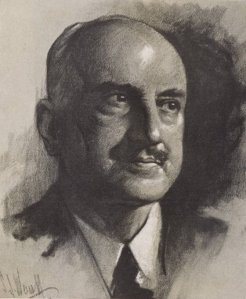
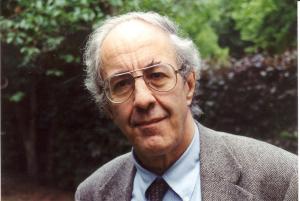
Jesus’ words in John invite us to go deeper—not just to hear the truth, but to live it. Peter Claver Ajer, New Testament professor at Bexley Seabury Seminary in Chicago, offered this powerful insight on John 8:31–32 and Jesus’ teaching on discipleship: “First, it begins with belief. Second, it requires constant remaining in the word of Jesus—listening to the words of Jesus, learning from Jesus, constantly penetrating the truth that the words of Jesus bear, and obeying the words of Jesus. Third, discipleship ushers in knowledge of the truth. To learn from Jesus is to learn the truth. What is that truth? The fundamental truth that Jesus brings shows us the actual values of life and makes each one ask: To what should I give my life? Fourth, discipleship results in freedom: freedom from fear because we are not walking alone, freedom from self because our own self is often the most significant handicap, and freedom from other people since we often fear what other people will say.”
These ancient voices speak with fresh relevance today. The Church faces shrinking membership, cultural division, and a flood of misinformation that distorts truth and erodes trust. Many feel uncertain—about the future of the world, the Church, and their own place in it. But Scripture reminds us that renewal isn’t about creating something new; it’s about returning to what’s true. As we move through 2025 and beyond, we’re called to walk in grace, stay rooted in the living Word, and trust that God still writes hope into human hearts.
Soli Deo Gloria!
Note: My reflections drew heavily on a commentary on John 8 by Professor Peter Ajer, accessed in Working Preacher, part of Luther Seminary’s many resources. In addition, I utilized information from the Lutheran Study Bible (First Edition), pages 1521-1524).
A Musical Connection: “Lord Keep Us Steadfast in Your Word”
Martin Luther wrote roughly 35 hymns, using music as a powerful tool for teaching theology and nurturing faith. Many of his compositions became central to Lutheran worship. “A Mighty Fortress is our God” is perhaps his most famous (and is based on Psalm 46). He believed deeply in music’s spiritual power, famously stating, “Next to the Word of God, music deserves the highest praise.”
Here is some background on another of his well-known hymns: Luther wrote “Lord, Keep Us Steadfast in Your Word” in 1541 during a time of political and spiritual danger, especially from the Pope and the advancing Ottoman Turks. Originally intended for children’s choirs, the hymn was a plea for divine protection and faithfulness to the Gospel. Its three stanzas address each person of the Trinity, asking for strength, peace, and unity. Though later softened in translation, the hymn reflects Luther’s deep conviction that God’s Word must be defended against all threats. This version of the hymn is by Chant Claire, a notable choir from the Milwaukee area. Luther’s hymns always have a “medieval” feel to me, heavy and majestic. You will note some variation in the lyrics here.
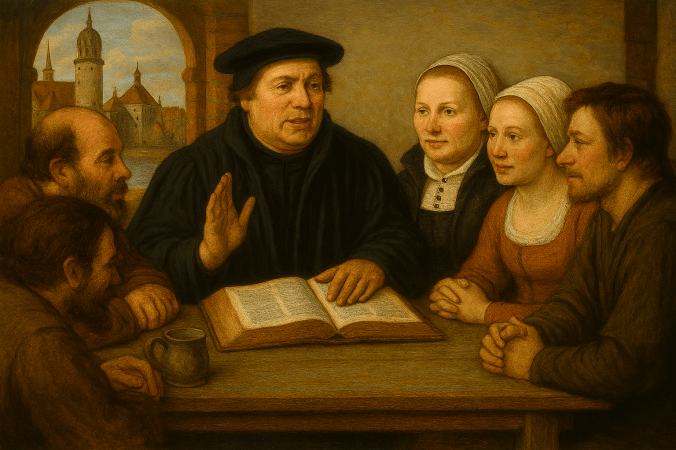
(A.I. generated image)
The Lyrics
1 Lord, keep us steadfast in your Word;
curb those who by deceit or sword
would seek to overthrow your Son
and to destroy what he has done.
2 Lord Jesus Christ, your pow’r make known,
for you are Lord of lords alone;
defend your Christendom that we
may sing your praise eternally.
3 O Comforter of priceless worth,
send peace and unity on earth;
support us in our final strife
and lead us out of death to life.
Prayer Reflection: Luther’s Morning Prayer
In the morning when you get up, make the sign of the holy cross and say:
In the name of the Father and of the + Son and of the Holy Spirit. Amen.
Then, kneeling or standing, repeat the Creed and the Lord’s Prayer. If you choose, you may also say this little prayer:
I thank You, my heavenly Father, through Jesus Christ, Your dear Son, that You have kept me this night from all harm and danger; and I pray that You would keep me this day also from sin and every evil, that all my doings and life may please You. For into Your hands I commend myself, my body and soul, and all things. Let Your holy angel be with me, that the evil foe may have no power over me. Amen.
Then go joyfully to your work, singing a hymn, like that of the Ten Commandments, or whatever your devotion may suggest.
Martin Luther’s Small Catechism, published in 1529, includes a series of simple, heartfelt prayers designed to guide daily Christian life. Among them are morning and evening prayers, as well as blessings before and after meals, each emphasizing gratitude, trust in God’s protection, and humble dependence on divine mercy. These prayers reflect Luther’s pastoral concern for households, encouraging parents to teach their children not only doctrine but also devotional practice. Rooted in Scripture and accessible language, they remain enduring tools for spiritual formation across generations.
Faithful Conversations Updates
Join us for some free-flowing conversation about the Lectionary readings each Sunday. We meet from 10:45-11:30 in the church library each week, with some exceptions. No prior knowledge is necessary! ALL ARE WELCOME! And, let’s discuss these questions when we gather (or any other questions you would like to raise for the group!):
1. Luther believed some parts of Scripture speak more clearly than others—why do you think he was partial to John’s Gospel, Romans, and 1 Peter?
2. Peter Claver Ajer describes discipleship as a journey from belief to freedom—how do you personally experience “remaining in the Word” in your daily life, and what kind of freedom has it brought or could bring?
3. Luther heard the Bible as speaking both to its original context and to his own time—how do you hear Scripture speaking into our current cultural and spiritual challenges in 2025?
THIS WEEK’S BIBLE 365
READING CHALLENGE:
Monday 20 October: Exodus 16-18, Psalm 22
Tuesday 21 October: Exodus 19-21, Psalm 23
Wednesday 22 October: Exodus 22-24, Psalm 24
Thursday 23 October: Exodus 25-27, Psalm 25
Friday 24 October: Exodus 28-29, Psalm 26
Saturday 25 October: Exodus 30-31, Psalm 27
Sunday 26 October: Exodus 32-34, Psalm 28
Here is a LINK to the full Bible 365 Plan!
The Bible 365 Challenge!
More than 60 members of our faith community have committed to the Bible 365 Challenge—a shared journey of reading through the entire Bible in one year. Each day, we engage with selected passages weaving together stories of faith, struggle, grace, and redemption. This challenge isn’t just about completing a task; it’s about deepening our spiritual roots, building community, and discovering how scripture speaks into our lives today.