Welcome to Two Worlds!
(Year A: Ash Wednesday and 1 Lent)
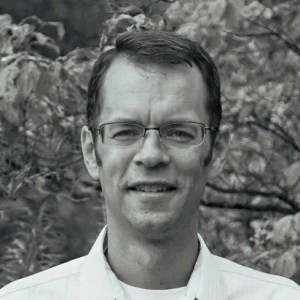
“In a social mileiu so tuned to chronos, it can be difficult to imagine ourselves as participants in a drama enacted in kairos and so learn to view the events around us from this eternal perspective. . . Calibrating ourselves — body, soul, and mind — to the liturgical calendar may not seem like something that would change our relationship to the news. But there is a profound, insidious kind of formation that happens when the first thing we do in the morning is to reach for a smartphone to find out what new thing occurred while we were sleeping. Such habits form the horizon of meaning by which we judge the significance of our daily life and actions. Structuring our days and weeks instead around Christ orients us to his story and equips us to fit the news of our day into the redemptive pattern of his life and work.“
(Dr. Jeffrey Bilbro, Grove City College, Pennsylvania)

INTRODUCTION
Author Jeffrey Bilbro has me thinking about how we experience time and further, how time shapes our “horizon of meaning.” In the Greek tradition, chronos and kairos name two very different ways of moving through our days: chronos is the clock — think minutes, deadlines, schedules — while kairos is the charged moment of openness — the kind of time that feels alive with meaning. Early Christians, shaped by Greek language and thought, naturally used this distinction to describe how God works both in history and in the moments that break it open. When we lean too hard into chronos, we lose our sense of kairos and allow the gatekeepers of chronos — especially the relentless news cycle — to define our reality. Chronos keeps us busy; kairos keeps us awake. Hold that tension as you enter the readings this week.
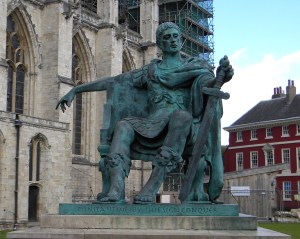
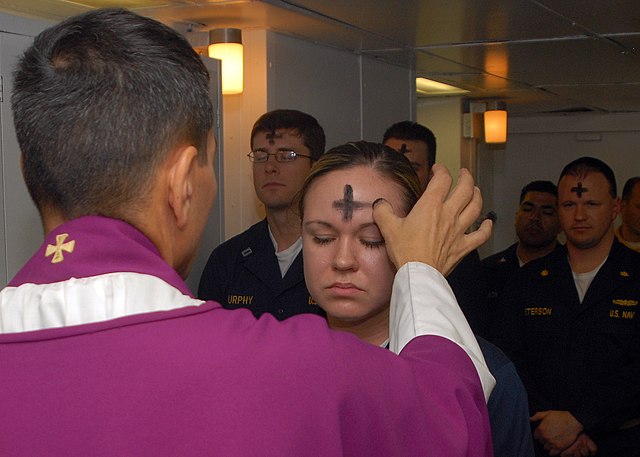
And, here is some background on the next season in our church year. Lent — from the Old English lencten, meaning springtime — has deep roots in Christian practice. The 40‑day season took shape after 313 CE, when Constantine embraced Christianity, and the Council of Nicea in 325 helped solidify its rhythms. The number forty echoes through Scripture: Moses on Sinai, Elijah’s journey to Horeb, Jesus fasting in the wilderness. On Wednesday, many of us will receive ashes in the sign of the cross, a gesture of humility and mortality (Memento, homo, quia pulvis es, et in pulverem reverteris). Luther himself kept Ash Wednesday, even as some early reformers dismissed it as too “Catholic.” Today, the Day of Ashes is observed across much of Western Christianity. Like many of you, I grew up with Lenten customs –classmates giving up chips or soda, small acts of self‑denial that sometimes felt more dutiful than transformative. In my home, the emphasis fell less on “giving something up” and more on tending the inner life. I once heard Lent described as “spring cleaning for our souls,” and that phrase has stayed with me. It suggests clearing space for kairos — those openings where grace can slip past the noise and do its quiet work.

by Shirley Jones
As we step into this season, I feel the pull of chronos more than ever — the rush, the headlines, the constant sense that whatever just flashed across a screen deserves my whole attention. Lent invites something different. It asks us to slow down enough to notice the openings, the preparation, the quiet work of God that rarely announces itself. In a world shaped by chronos, Lent remains one of the church’s oldest ways of reclaiming kairos.
Thanks for visiting this space and my hope is that the blog helps you frame the readings each week! I am experimenting with formatting, and it remains a work in progress. Please feel free to contact me with any feedback. My contact information is included on my homepage.
Jeffrey Bilbro’s book, Reading the Times: A Literary and Theological Inquiry into the News, provides that backdrop for my introduction this week. He is helping me understand how to navigate news in these challenging times!
(Note: Check out the short video in “Going Beyond” for more on these time dimensions in our lives).
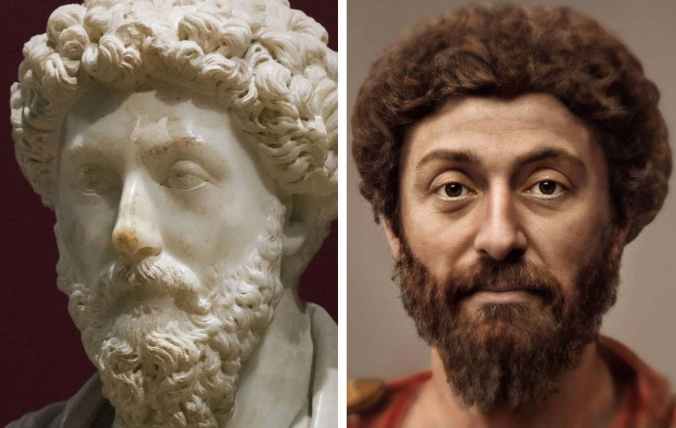
Marcus Aurelius’ well‑known reminder — “You could leave life right now. Let that determine what you do and say and think” — captures a truth that aligns closely with the Christian beginning of Lent. Genesis 3:19 offers its own stark wisdom: “Remember that you are dust, and to dust you shall return.” Both statements call us to live with clarity, humility, and a deeper awareness of what truly matters.
The links to the right allow for easy navigation of the various components of the blog. Enjoy!
This Week’s Readings
Ash Wednesday
Joel 2: 1-2, 12-17
Psalm 51: 1-17
2 Corinthians 5: 20b-6:10
Matthew 6: 1-6, 16-21
The readings are linked.
Themes and Connections
The readings for Ash Wednesday call God’s people to return with honest hearts—turning from pretense, self‑reliance, and public displays of piety toward the mercy that alone can renew us. Together they remind us that true repentance is an inward turning shaped by God’s grace, a way of life that endures hardship yet trusts that now—this moment—is the acceptable time for transformation.
1 Lent
Genesis 2: 15-17, 3: 1-7
Psalm 32
Romans 5: 12-19
Matthew 4: 1-11
The Readings are linked.
Try the Four-Question Approach to the Readings
What is something NEW?
What is something that made you REFLECT?
What is something that RELATES to prior knowledge?
What is something you would like to further DISCUSS?
Themes and Connections
The texts for 1 Lent trace the deep human struggle with temptation –from the garden’s first turning away to Jesus’ faithful resistance in the wilderness — and reveal how sin distorts our desires and burdens our lives. Together they proclaim that God meets us in our weakness with forgiveness and new possibility, so that in Christ’s obedience we are drawn from hiding and fear into restored relationship and renewed life.
The readings are drawn from the Bible Gateway website and are the NRSVUE edition. I utilize Co-Pilot to assist with summarizing themes among the readings.
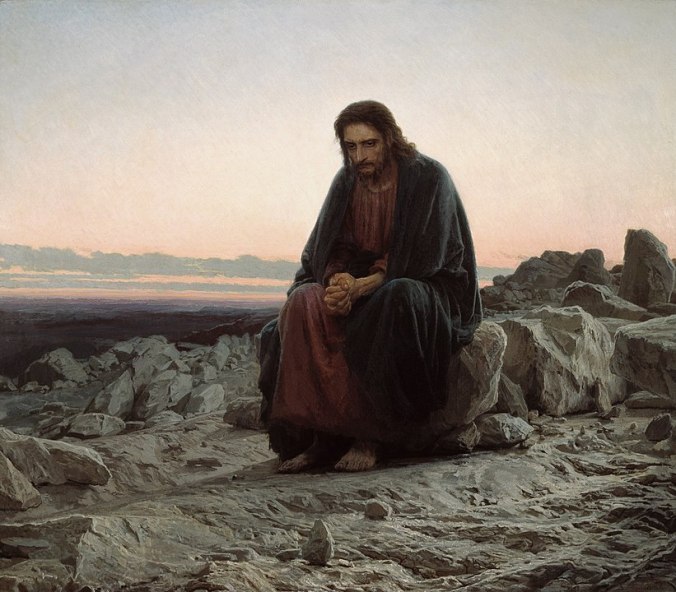
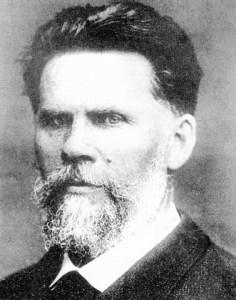
Image of the Week
This Week’s ELCA Commemoration
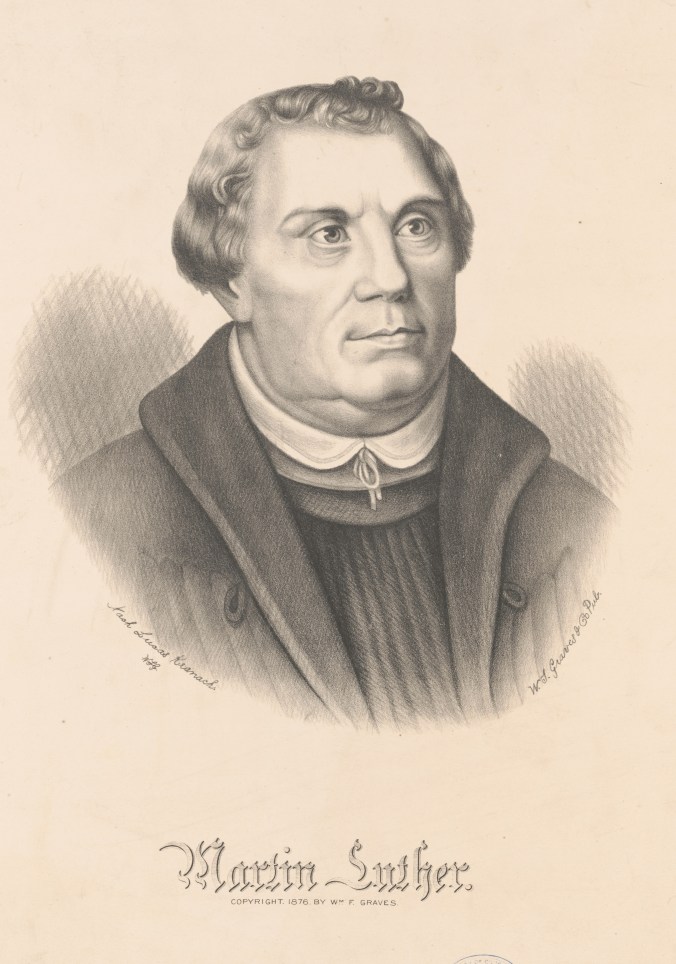
(1483-1546)
WEDNESDAY 18 FEBRUARY: MARTIN LUTHER
Martin Luther died in the early morning hours of February 18, 1546, 480 years ago this week. He was in his hometown of Eisleben, where he had traveled to help settle a local dispute. His final hours were lucid and peaceful, marked by confession of faith and the presence of his longtime colleague Justus Jonas, who recorded the details to counter later rumors. After his death, Luther’s body was taken back to Wittenberg, where large crowds gathered to honor the reformer who had reshaped the Christian world.
Musical Meditation
“Jesus Is a Rock in a Weary Land” is one of roughly fourteen African American spirituals included in Evangelical Lutheran Worship, a small but meaningful witness to this tradition within the hymnal. Emerging from the late‑19th‑century spiritual repertoire and carried into wider circulation by groups like the Fisk Jubilee Singers, the hymn draws on vivid biblical images of God as refuge and strength — images born from both Scripture and the lived experience of Black communities seeking hope amid hardship. Its rhythmic, refrain‑driven character places it at the crossroads of spirituals and early gospel, making it deeply singable across traditions. In ELW it appears among the Lenten hymns (#333), a placement that highlights how its central metaphor — the “weary land” — speaks to themes of vulnerability, endurance, and trust in God’s sustaining presence during the church’s season of reflection and return.
I hope you will enjoy this interpretation of the song performed by the combined choirs of The Middle Church in New York City.
Middle Church is a lively, justice‑driven congregation in Manhattan’s East Village, known for its big‑hearted, multicultural community and its commitment to what it calls “revolutionary love.” Under the leadership of the Rev. Dr. Jacqui Lewis, it’s become a spiritual home for people across backgrounds—deeply rooted in Christian tradition while fully embracing LGBTQ+ inclusion, anti‑racism, and social healing. It’s as much a movement as a church, with worship, activism, and digital ministry all woven together to create a community that reaches far beyond New York City.
Visit Their Website for More Information
Prayer Meditation (Ancient Text)
And Ancient Prayer from the Gelasian Sacramentary
O God, who knowest us to be set in the midst of so many and great dangers, that by reason of the frailty of our nature we cannot always stand upright, grant to us such strength and protection as may support us in all dangers and carry us through all temptations, through Jesus Christ our Lord. Amen.
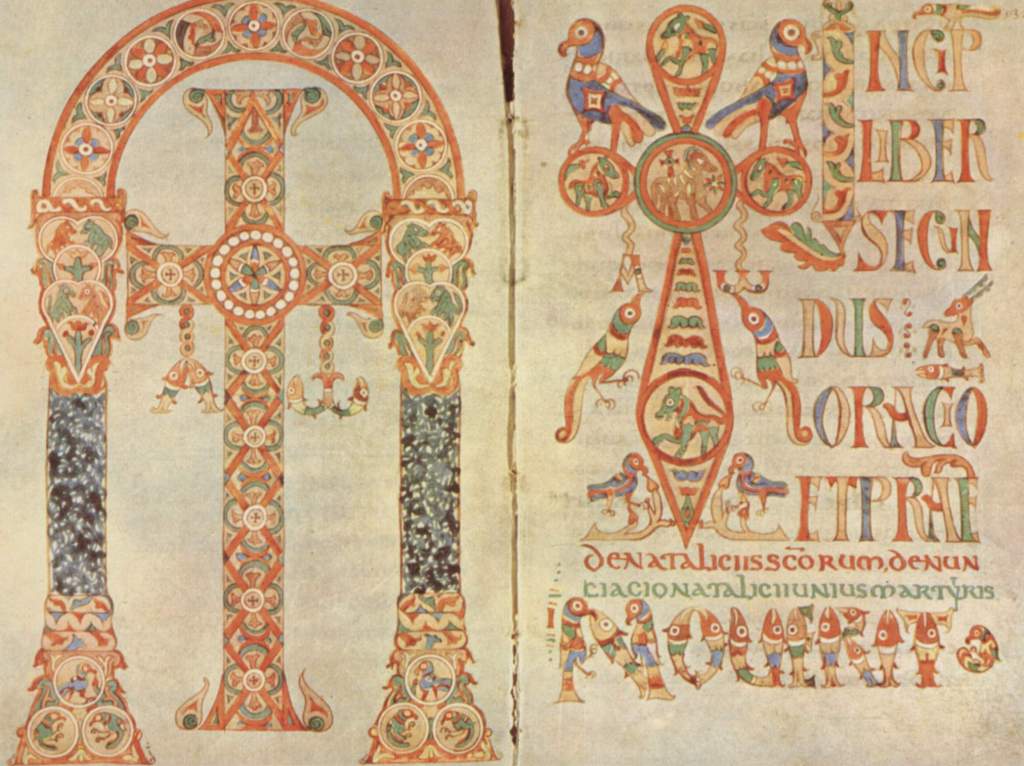
Some background . . .
The Gelasian Sacramentary is one of the earliest surviving Western liturgical books, compiled in the 7th or early 8th century and traditionally (though inaccurately) attributed to Pope Gelasius I. Rather than a single author’s work, it represents a collection of Roman and Gallican prayers that were gradually shaped into a usable liturgical resource for priests. It later influenced the development of the Gregorian Sacramentary and helped form the backbone of Western eucharistic and pastoral prayer traditions.
Source: A Barclay Prayer Book (2003). This is a compilation of prayers for the liturgical year.
Going Beyond (Faith At Work)
Further Exploration
Find the Balance Between Chronos and Kairos Time
And, check this out from the Lutheran World Federation!
Lutherans and Catholics explore deep ecumenical potential of Augsburg Confession

Access the Homepage of Two Worlds here
(linked to the picture).
I offer more background there and also the entire archive of the first three years.
Join Us for Worship and Study
Evangelical Lutheran Church in Black River Falls, Wisconsin, and is part of the Northwest Synod of Wisconsin (ELCA). We stream our Sunday worship at 9:30 each week. Please feel free to join us!
Access our YouTube Channel here.
Also, join us Sunday for in-person discussion of the Lectionary in the church library from 10:45-11:00. All are welcome!

Thank You Paul for sending this!
Ellen
LikeLike
Most welcome. As I’m working on the new formatting, feedback is helpful!
LikeLike