Navigate the Blog Here
Henri Nouwen:
Crises and Power

(1932-1996)
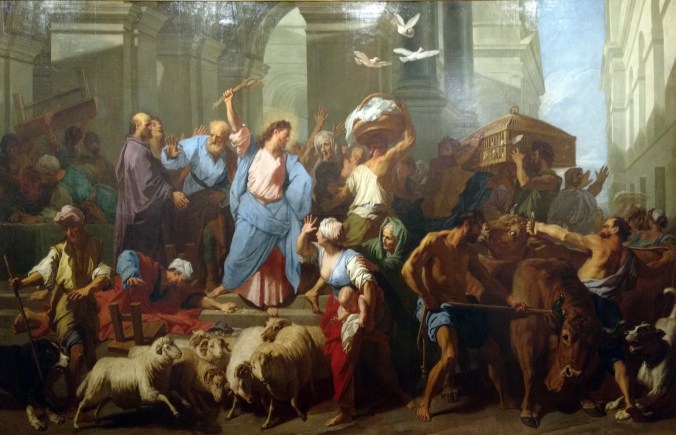
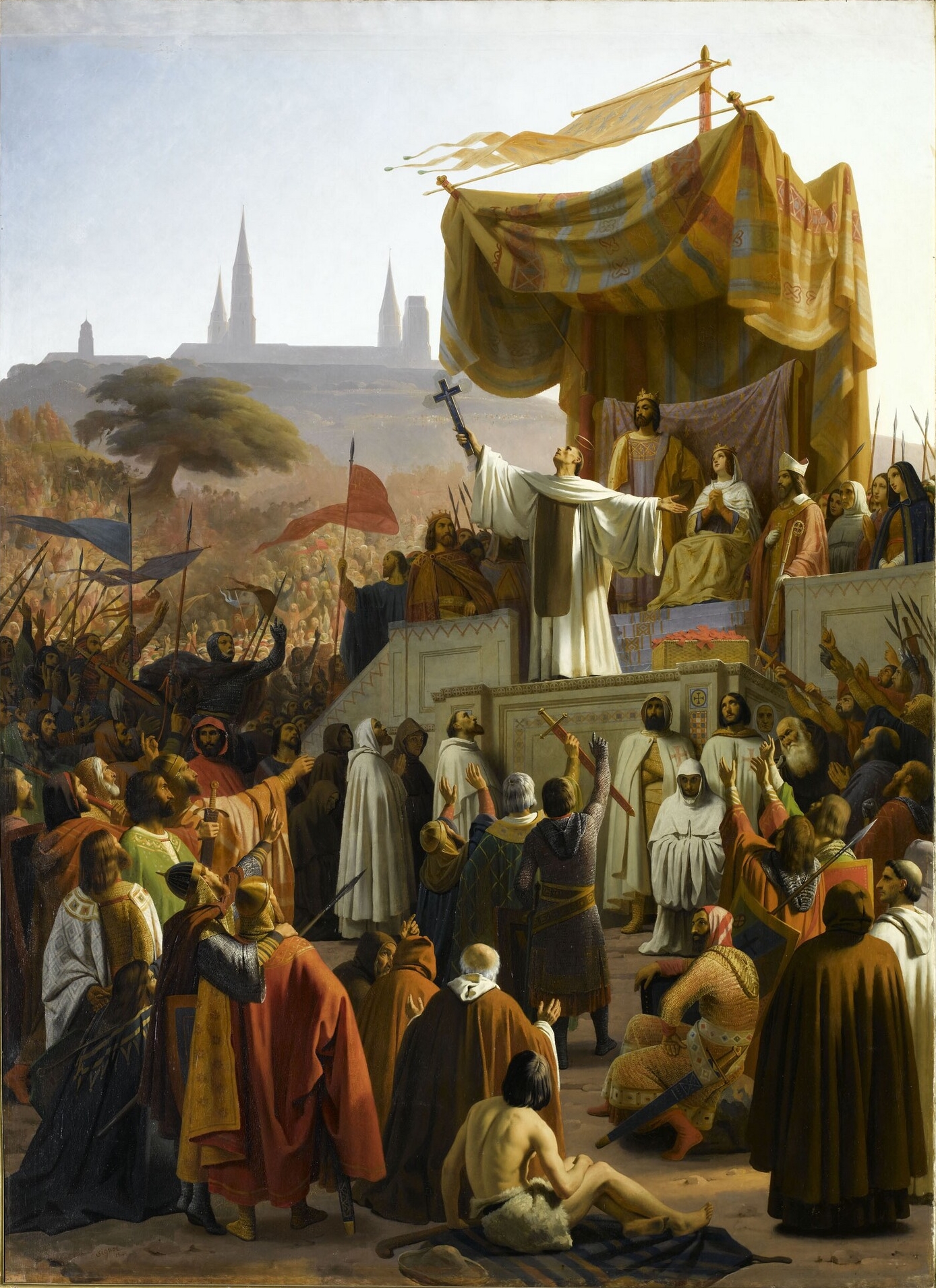
“Every time we see a major crisis in the history of the Church, such as the Great Schism of the eleventh century, the Reformation of the sixteenth century, or the immense secularization of the twentieth century, we always see that a major cause of rupture is the power exercised by those who claim to be followers of the poor and powerless Jesus. What makes the temptation to power so seemingly irresistible? Maybe it is that power offers an easy substitute for the hard task of love. It seems easier to be God than to love God, easier to control people than to love people, easier to own life than to love life.“
From the Henri Nouwen Society’s Daily Meditations, 27 September 2026.
Two Worlds is a digital ministry space that shares the RCL readings, a brief homily, and supporting images, music, and ELCA commemorations. The blog is authored by Paul Rykken in consultation with Pastor Jen Hatleli of Evangelical Lutheran Church in Black River Falls, Wisconsin (ELCA). The blog lands more naturally on a larger screen. Also, hyperlinks are included for further information — they are bolded and italicized.
Pentecost 20 Readings
Isaiah 25: 1-19
Psalm 23
Philippians 4: 1-9
Matthew 22: 1-14
Readings are Linked
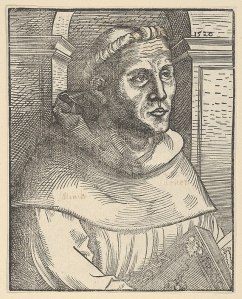
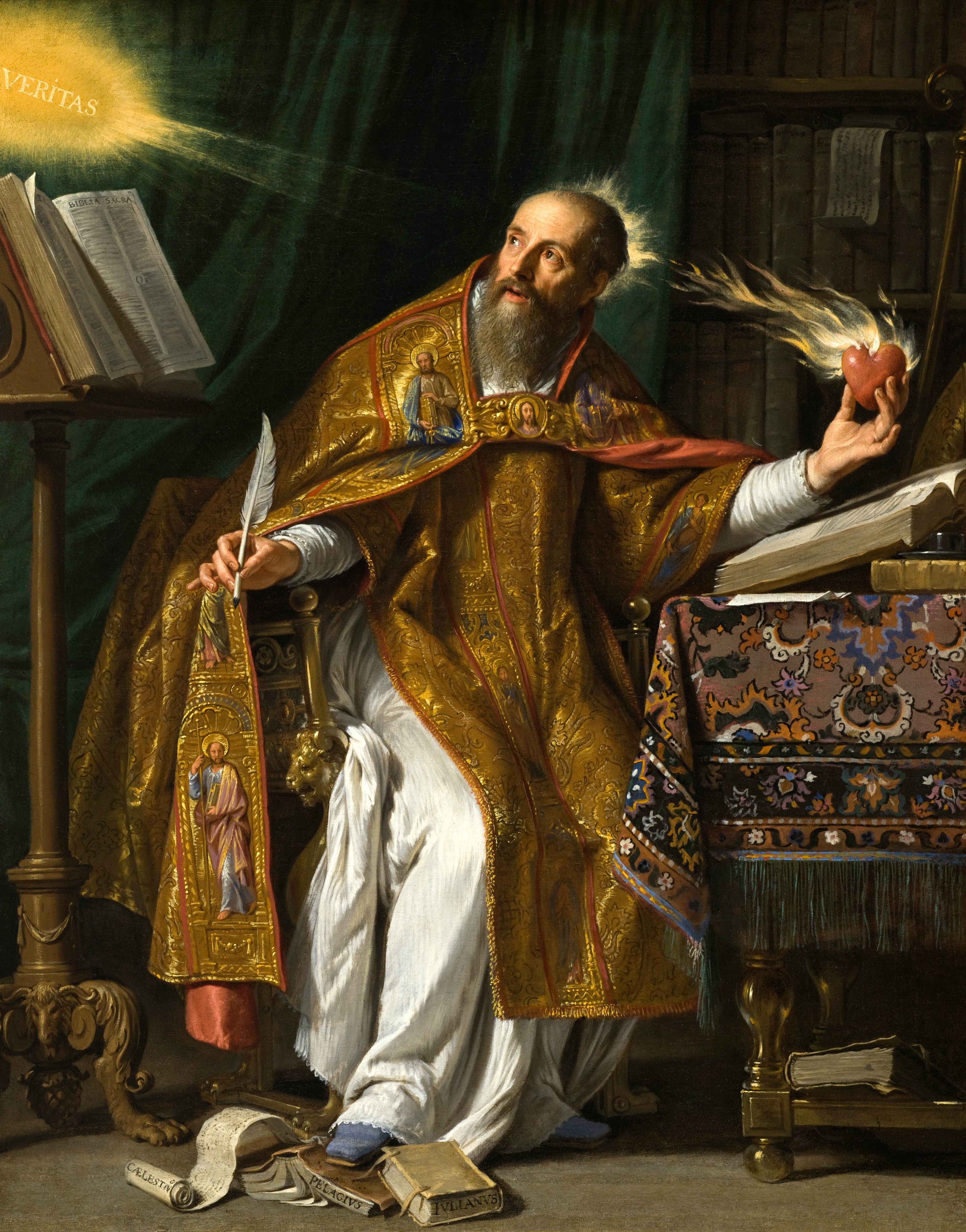
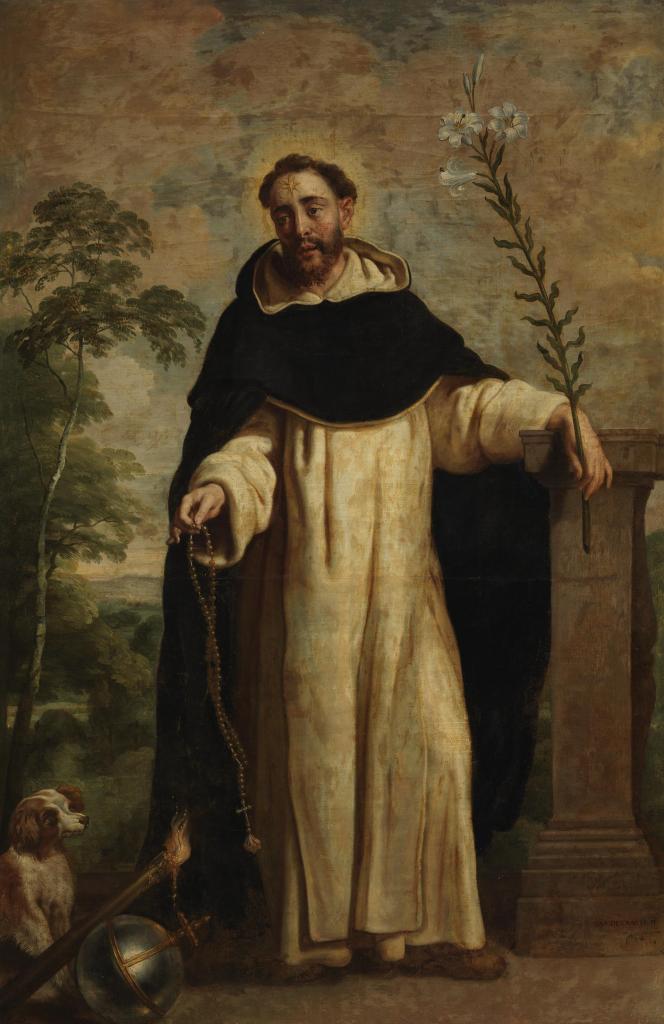
Augustinian Monk
Common Themes and Connections
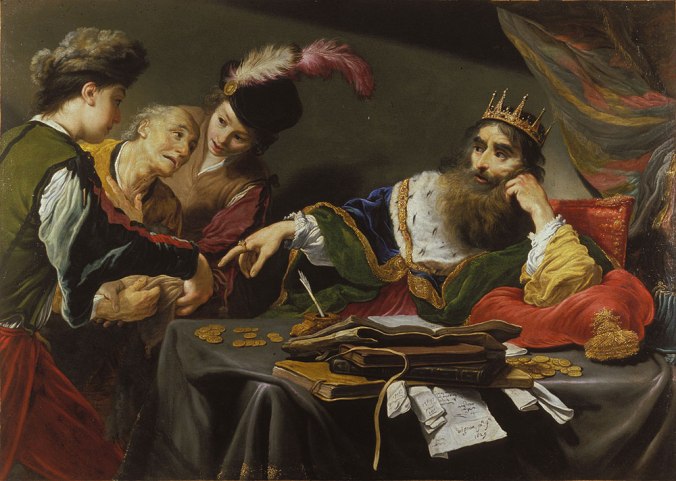
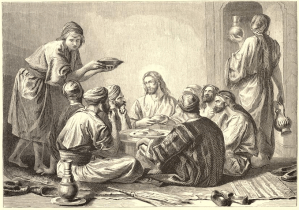
Isaiah’s vision of God’s decisive rescue sets the tone for a Sunday centered on divine provision, echoed intimately in Psalm 23, where the Lord shepherds, protects, and prepares a table for his people. Paul’s counsel in Philippians 4 urges the community to stand firm in this same trust—rejoicing, rejecting anxiety, and practicing a peace that comes from God’s nearness. Jesus’ parable in Matthew 22 extends the theme by portraying God’s invitation to a banquet of grace, while also warning that genuine participation requires a life shaped by that grace. Together, the readings emphasize God’s faithful initiative, the call to respond with steadfast trust, and the transformative character of those who accept God’s invitation.
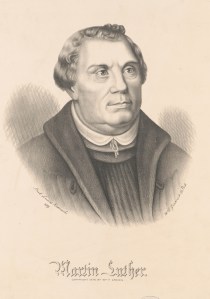
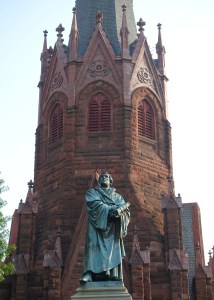
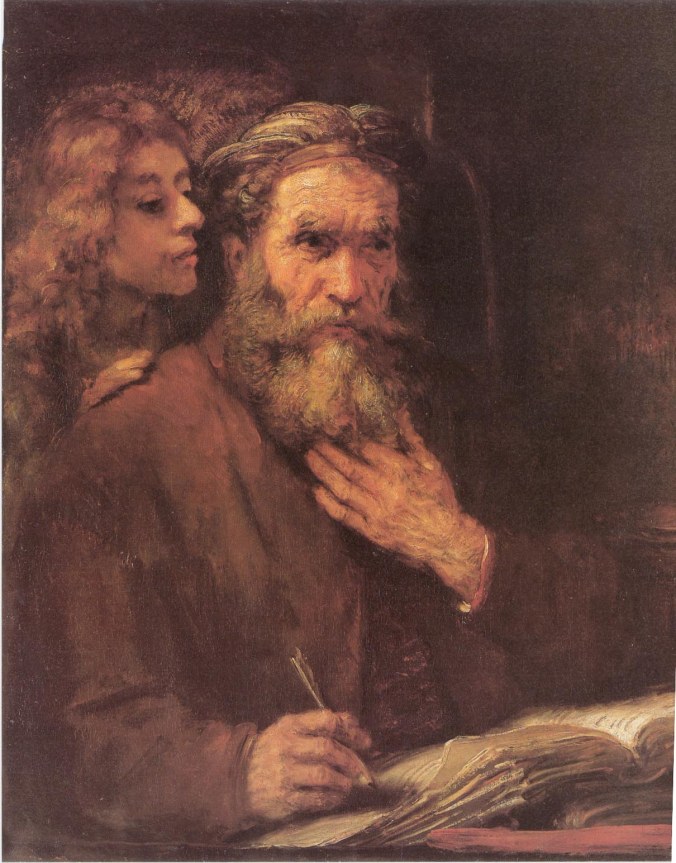
Luther and the lectio divina
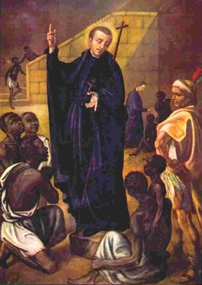
Luther’s approach to lectio divina grows out of the Augustinian conviction that Scripture is understood only through the illumination of the Holy Spirit, received in humble prayer. In the monastic tradition, lectio divina developed as a four‑step path — reading, meditation, prayer, and contemplation — aimed at drawing the believer into quiet union with God. Luther retained the early Augustinian emphasis on oratio and meditatio, but he reshaped the practice by replacing contemplatio with tentatio, the spiritual struggle that arises when God’s Word confronts human weakness. For Luther, this struggle is not a distraction from devotion but the very arena in which the Word becomes alive and formative. His adaptation transforms lectio divina from a contemplative ascent into a cross‑shaped encounter where Scripture, prayer, and trial work together to shape faith.
Image of the Week
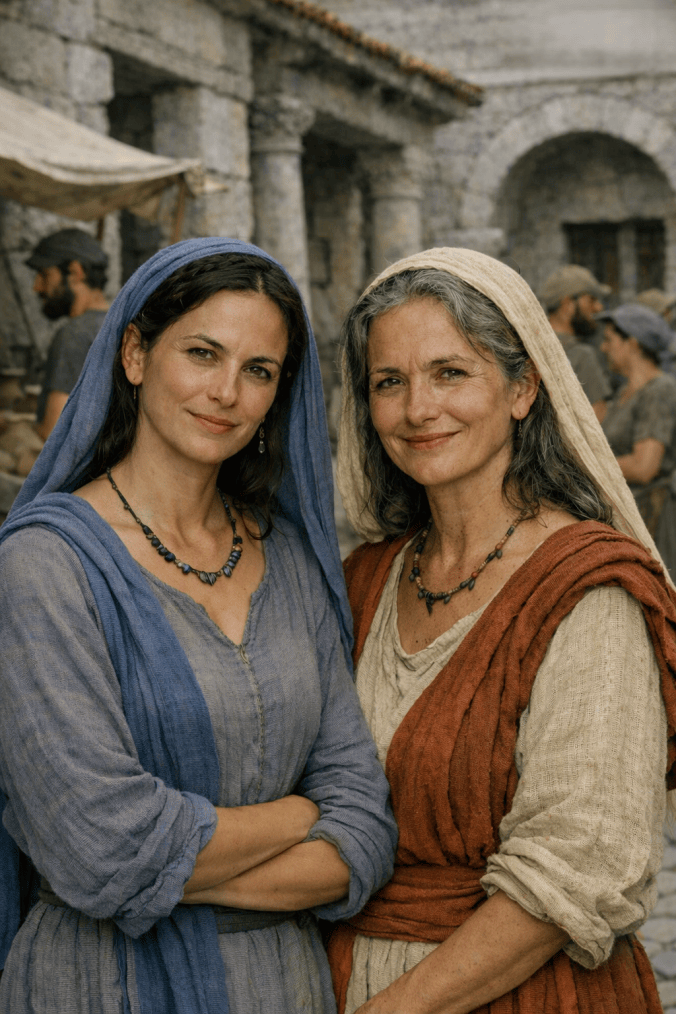
“History must be imagined before it can be understood.” David Blight’s line has stayed with me this week as I revisited Paul’s brief but striking mention of Euodia and Syntyche in Philippians 4:2–3. These two early Christian leaders left no visual record — no portraits, no icons, no descriptions — only their names and the memory of their shared labor in the gospel.
That silence makes imagination essential; it’s the doorway into their world. Though this final AI image feels a bit uncanny, it offers a foothold for picturing Philippi under Roman rule, a diverse Christian community finding its way, and two women whose ministry mattered enough for Paul to address their conflict directly.
As I continue to navigate AI in my current teaching environment, I’m finding that — used carefully — it can help kindle the historical imagination, giving shape to what cannot be recovered and deepening our sense of their place in the unfolding story of the early church.
Five-Minute Homily: Pentecost 20
“Practices for an Anxious Church”
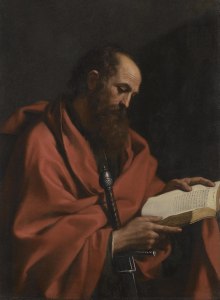
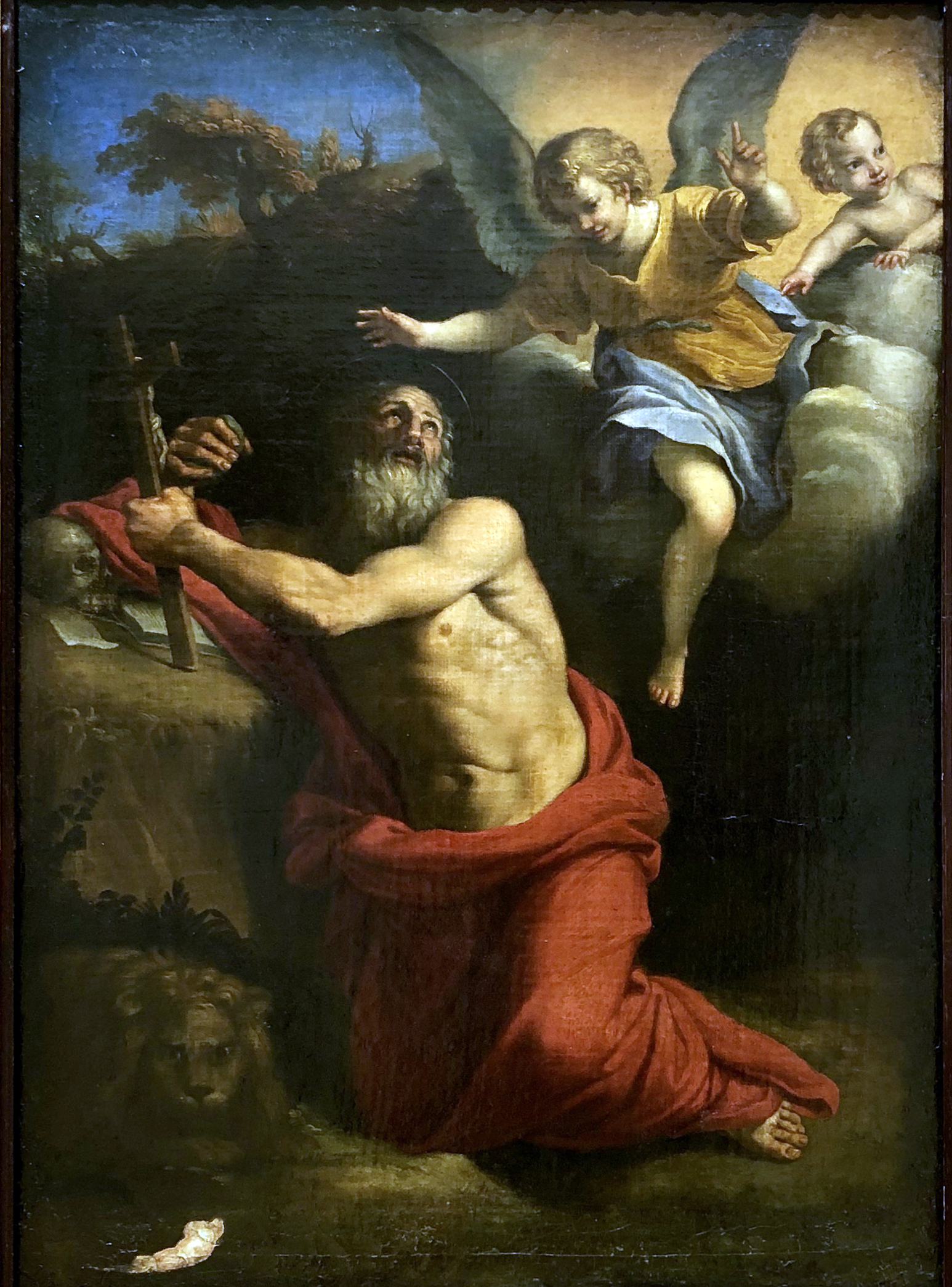
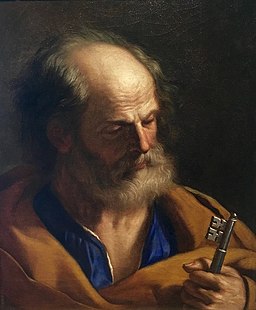
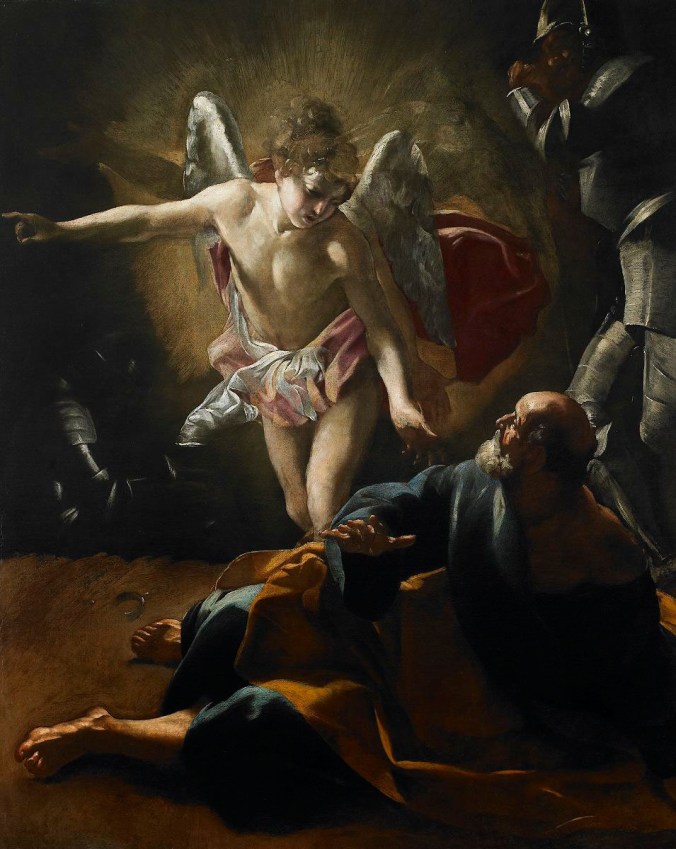
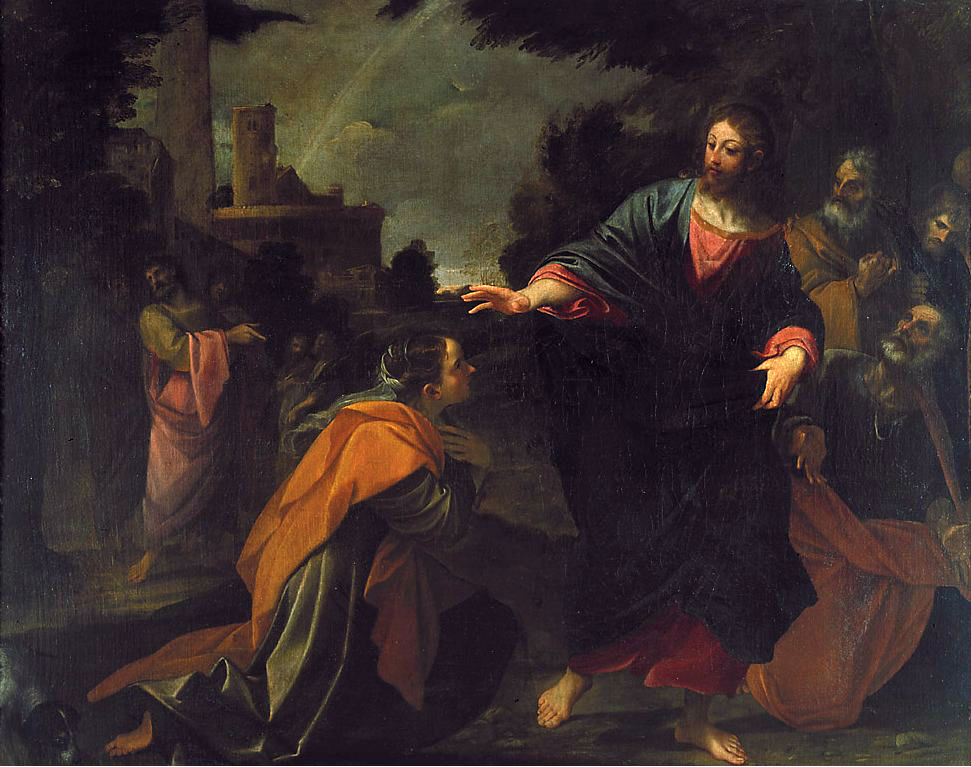
Guercino (1591–1666)
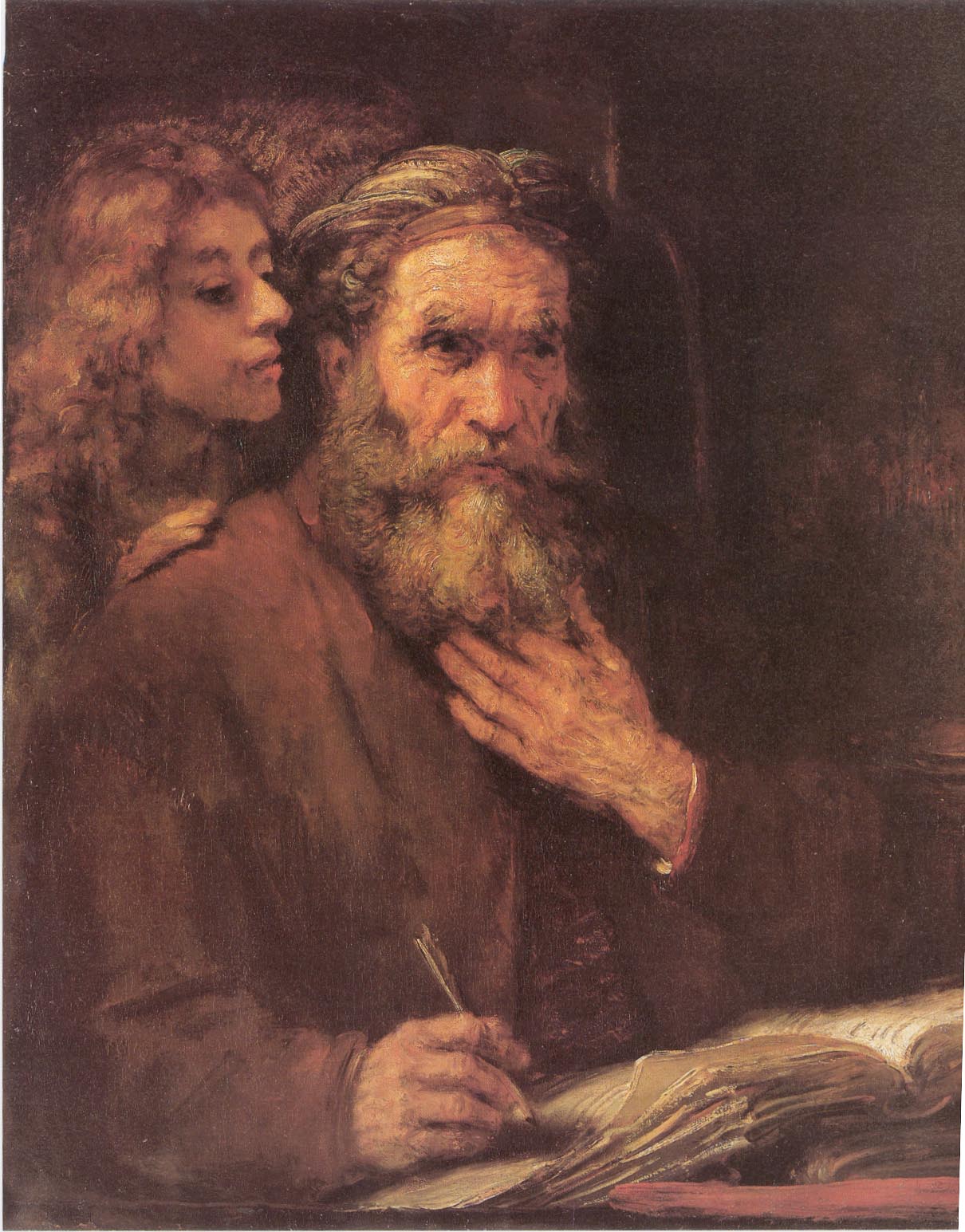
Before getting into this, I must confess that I wanted to tackle the parable from Matthew this week but am still grappling with it — I find it especially challenging! Let me, instead, offer this regarding the Second Reading. Philippians is often associated with JOY, but the context of the letter is critically important. The words were not written in comfort. Paul, in fact, wrote from prison, chained, unsure whether he will live or die. We know the end of the story, but he certainly did not. And he writes to a church under real serious social and economic pressure. Both Paul and the Philippians are being pushed to back away from their proclamation of Christ crucified and risen. His words are forged in the midst of crisis. Sit with that for a moment.
Paul begins with real affection for his Philippian neighbors — “my joy and my crown” (4:1). Their relationship is marked by mutual courage and trust. They have stood with him, and he stands with them. Then Paul turns to the strain within the community. Euodia and Syntyche — two faithful leaders — have been having a dispute of some kind. I am always intrigued by these figures that show up in scripture for what we might describe as “cameo” appearances — we are offered little background and no details about the argument between these women. Paul doesn’t shame them or dictate a solution either. Instead, he calls the community to come alongside them (4:2-3) and reminds every one of the pattern they already know: the mind of Christ described earlier in the letter (2:1-5). A mind that moves from power toward vulnerability, from status toward service.
Paul then offers the Philippian church — and perhaps us — a set of practices for living faithfully in anxious times. Each one is anchored in the text.
“Rejoice in the Lord always” (4:4). Not because everything is fine, but because joy is a discipline that keeps us grounded in God’s presence.
“Let your gentleness be known to everyone” (4:5). Everyone is frayed right now—including you. Gentleness is Christlike strength.
“The Lord is near” (4:5). Not far off, not abstract—near.
“Do not worry about anything, but in everything… let your requests be made known to God” (4:6). Bring your fear and your gratitude together. Honest prayer is the antidote to anxious spiraling.
“And the peace of God… will guard your hearts and your minds” (4:7). A peace that doesn’t depend on circumstances and doesn’t require your understanding.
“Whatever is true… honorable… just… pure… pleasing… commendable… think on these things” (4:8). In an age saturated with negativity, Paul calls for disciplined attention. Look deliberately for what is good. Hold fast to it.
“Keep on doing the things you have learned and received… and the God of peace will be with you” (4:9). Look to the people whose lives embody this way of Christ. Imitate them.
Paul’s world was anything but calm. The early church lived with constant vulnerability — small, pressured, and unsure of its future. The anxieties of early Christians were real, and their witness was costly. In many ways, people today feel the same strain. We live with global instability, political tension, economic uncertainty, and a relentless stream of information that keeps us on edge. Communities of faith feel the weight of division and the challenge of staying hopeful. Paul does not offer easy reassurance. He offers a way of life: joy practiced as discipline, gentleness embraced as strength, prayer shaped by honesty, and attention trained toward what is good. He teaches a posture that refuses to let fear or cynicism set the terms of reality. His world was unstable. Ours is too. Yet his message endures: “The Lord is near.” Because Christ is near, we are not left alone. We are given practices that steady us and a peace that guards us — a peace that surpasses all understanding.
Philippians 4 is not a lullaby. It is a lifeline. A pattern of Christian resilience. A witness that God’s presence is real, God’s peace is strong, and God’s joy can still be chosen — even now. Let’s walk with that message in our hearts this week.
Soli Deo Gloria!
Note: I am indebted to the Reverand Dr. Jane Lancaster Patterson for her interpretation of the Philippians verses. She is a retired Emerita Professor of New Testament, Seminary of the Southwest, Austin Texas — an Episcopal institution. I stumbled on her wonderful writing in Working Preacher, an arm of Luther Seminary in St. Paul, Minnesota. She offered me a different way of seeing this passage.
Musical Reflection
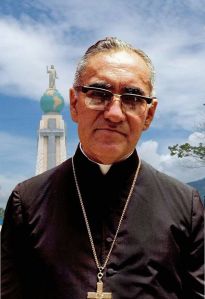
(1917-1980)
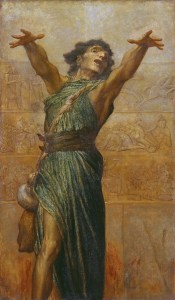
“Let Us Go Now to the Banquet” (ELW 523) grows out of the Misa Popular Salvadoreña, the 1980 folk mass Guillermo Cuéllar composed at the request of Archbishop Óscar Romero, who wanted music that honored El Salvador’s indigenous traditions while speaking honestly to a people suffering under military rule. A member of the Nueva Canción Salvadoreña movement, Cuéllar blended folk melody with political and spiritual hope — a combination that eventually forced him into a decade of exile. When the mass reached North American worship through translations by Bret Hesla and William Dexheimer Pharris, its vision of God’s banquet — where the poor are centered and the table is shared — found new resonance. In many ways, the hymn echoes Psalm 23’s promise of a table prepared in the presence of danger: God’s feast breaking in even when the world feels hostile. Singing it today keeps alive Romero’s conviction that God’s justice creates a community where all are fed and all are welcomed.
Lyrics
Let us go now to the banquet,
to the feast of the universe.
The table’s set and a place is waiting;
come, ev’ryone, with your gifts to share.
I will rise in the early morning;
the community’s waiting for me.
With a spring in my step I’m walking
with my friends and my family. Refrain
God invites all the poor and hungry
to the banquet of justice and good
where the harvest will not be hoarded
so that no one will lack for food.
May we build such a place among us
where all people are equal in love.
God has called us to work together
and to share ev’rything we have.
Note: The original lyrics were in Spanish.
ACCESS THEM HERE!
The Lutheran Deaconess Choir is a long‑standing musical ministry connected to the Lutheran Deaconess Association (LDA), an inter‑Lutheran organization that forms and supports deaconesses and deacons for service in church and world. Historically, the choir emerged from the community life of LDA students and consecrated deaconesses, who gathered regularly to sing as part of their spiritual formation and public witness. Over time, the choir became a signature expression of the LDA’s identity—using music to proclaim the gospel, strengthen communal bonds, and represent the deaconess vocation in congregations and synodical events. While not a professional ensemble, it has served as a musical ambassador for the LDA, embodying the organization’s emphasis on service, compassion, and shared ministry. In this way, the Lutheran Deaconess Choir reflects the heart of the LDA: a community grounded in Word, song, and diaconal service.
Who Are We Commemorating This Week?
Note: The ELCA commemorates a wide range of Christians throughout the year as a way of remembering that God has worked through ordinary people in every age. These commemorations — drawn from Scripture, the early church, the Reformation, and more recent history — invite us to see faith lived out in many different vocations and cultures. They aren’t about elevating “heroes,” but about widening our sense of the communion of saints and letting their witness encourage our own. In marking these days, the church pauses to give thanks, to learn, and to be reminded that the Holy Spirit continues to shape faithful lives in every generation.
We have two commemorations this week. You will find the full listing of them in the front of the ELW.
Week of 5 October
Tuesday 6 October
William Tyndale, translator, martyr (d.1536)
Wednesday 7 October
Henry Malchior Muhlenberg, pastor in North America (d.1787)
Further Information is Linked!
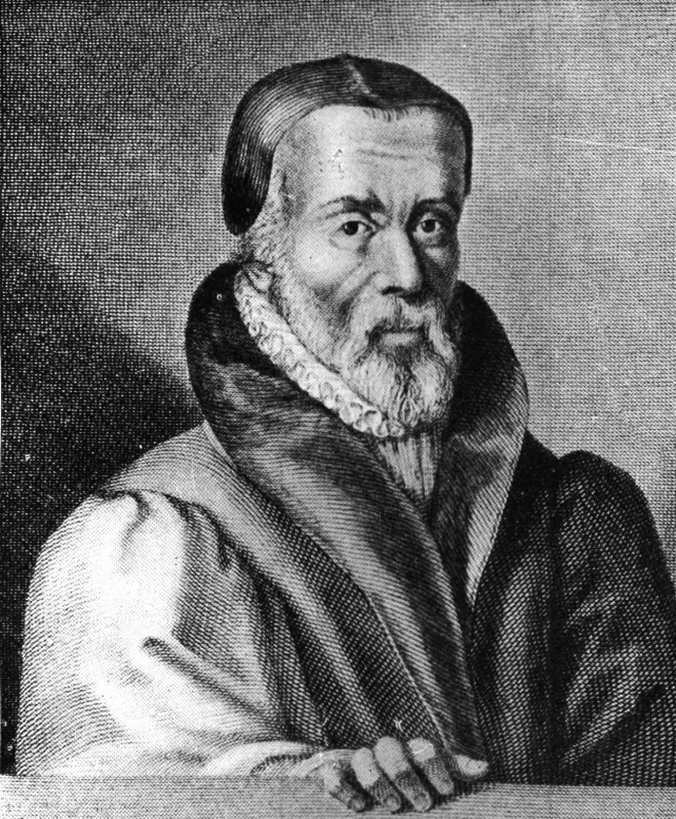
William Tyndale was the English reformer who, inspired by Martin Luther’s German Bible, believed passionately that ordinary Christians should read Scripture in their own language. Translating directly from Greek and Hebrew, he produced an English New Testament and large portions of the Old Testament whose clarity shaped every major English Bible that followed, including the King James Version. His work was illegal in England, where church and crown feared that vernacular Scripture would weaken their control of doctrine — and Tyndale’s public opposition to Henry VIII’s divorce made him politically unwelcome as well. After years of exile, he was arrested and executed for heresy in 1536, essentially for translating the Bible without permission. His dying prayer, “Lord, open the King of England’s eyes,” captures the legacy he left: Scripture for the whole people of God.
Going Beyond
Lutheran-Catholic Dialogue
Leaders of the Lutheran World Federation met with Pope Leo XIV on 1 October, celebrating six decades of Lutheran–Catholic dialogue and looking ahead to a shared 500th anniversary commemoration of the Augsburg Confession in 2030. LWF President Henrik Stubkjær emphasized that the Confession was originally an ecumenical proposal rooted in the apostolic tradition, never intended to divide, and now offers a framework for “telling a different story” of renewed communion. Pope Leo affirmed that deeper unity in faith, sacraments, and ministry remains the goal of this journey, with 2030 poised to be a “profound ecumenical experience.” The exchange of symbolic gifts—including the Lund Cross and a handcrafted pomegranate bowl from Palestinian students—underscored ongoing joint witness in service, reconciliation, and hope as both communions work toward fuller visible unity.
ACCESS THE FULL ARTICLE HERE!
Faithful Conversations
We’ve spent the past year at ELC discerning how best to offer adult study in a way that’s both flexible and consistent, and that work has led to a simple rhythm: Faithful Conversations, our weekly gathering on Sundays from 11:00 to 11:45 a.m. This space offers a rotating mix of lectionary discussion, Lutheran theology, spiritual disciplines, and congregational history—open to anyone, with no prior knowledge needed and no pressure to read or share.
We’ll resume our book study of Michael Foss’s Real Faith for Real Life on 11 October at 11:00 a.m. in the church sanctuary, continuing our exploration of practical Christian discipleship.
ALL ARE WELCOME!