Welcome to Two Worlds!
(Year A: 4 Lent)
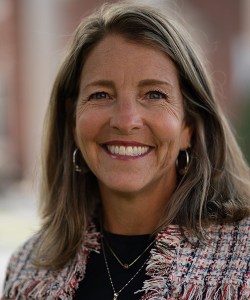
“The world desperately needs this Lutheran witness. In our current context, we see so much yelling — even as many people don’t feel heard or seen. There is so much anger, even as so many people’s hearts are breaking with grief. We are surrounded by so many voices, images and opinions, even as many people feel isolated and alone. God’s love has the power to break through all this noise, break down all this division, break apart all this cruelty. One person — you, the bearer of this love — can make all the difference. Put your body where love is needed.”
(Reverand Kristin Johnston Largen, President of Warburg Seminary, Iowa)
INTRODUCTION
John’s Gospel gives us a vivid conversion story this week: Jesus meets a man born blind, sees him with compassion, and restores his sight — sparking wonder, confusion, and notable outrage among the Pharisees. The moment exposes how easily we mistake certainty for vision, and how Christ keeps pulling us out of our shadows into the light of what is good and right and true. It’s the kind of moment Dr. Largen names so clearly: a world full of noise, anger, and isolation suddenly interrupted by a love that actually sees someone and moves toward them.
That same pattern shows up in the life of John Newton, whose own eyes began to open during a terrifying storm at sea in 1748. Newton had spent years participating in the slave trade, yet that night marked the beginning of a long, uneven conversion that eventually led him into abolitionist work, ministry, and the writing of a poem for a sermon—Faith’s Review and Expectation. We know it today as Amazing Grace, with its unforgettable confession: “Was blind, but now I see” (note John 9:25). Newton’s story, like the blind man’s, reminds us that God keeps showing up in the places we least expect, inviting us to see differently and live differently. And if Dr. Largen is right — and I believe she is — this is not just ancient history or a hymn’s backstory. It’s a call. In a world where so many feel unseen, unheard, or overwhelmed, the healing in John 9 and the awakening in Newton’s life point to the same truth: God’s love breaks through the noise by taking on flesh in ordinary people. One person, putting their body where love is needed, can make all the difference.
Soli Deo Gloria!
Note: The introductory quote from Kristin Johnston Largen was drawn from her Living Lutheran article (Spring 2026), page 53.
NAVIGATE THE BLOG HERE
Thanks for your visit here again this week! Monday (9 March) marks Day 16 of the Lenten season (40 days from Ash Wednesday to Easter Sunday (not counting Sundays).
A reminder: Utilize the Table of Contents to navigate various sections of the blog and also take note of links within the text (italicized and bolded) that offer further explanations.
This Week’s Readings
Themes and Connections
The readings for 4 Lent trace how God sees and restores what human eyes overlook, moving people from shadow into true sight. Samuel learns that God chooses by the heart, Psalm 23 voices trust in a shepherd who leads through darkness, and Ephesians calls believers to awaken as children of light. John 9 embodies all of this as Jesus opens the eyes of a man born blind, revealing that real vision comes through encounter with God’s mercy rather than human judgment.
1 Samuel 16: 1-13
Psalm 23
Ephesians 5: 8-14
John 9: 1-41
The Readings are Linked!
The readings are drawn from the Bible Gateway website and are the NRSVUE edition. I utilize Co-Pilot to assist with summarizing themes among the readings.
Image of the Week
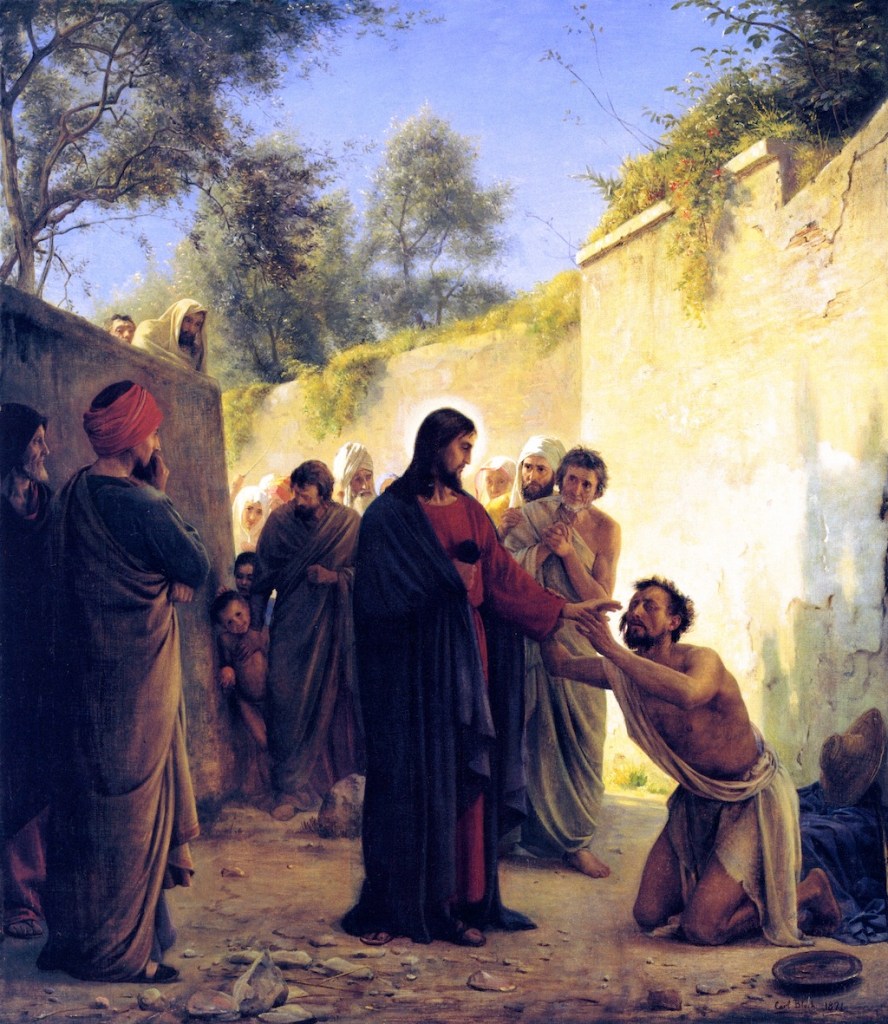
Carl Bloch’s Healing of the Blind Man (1871) shows Jesus meeting Bartimaeus with a calm, steady authority as the blind man kneels and reaches toward him. The scene unfolds against dark stone walls, where townspeople, children, skeptics, and disciples gather — each reacting in their own way to the moment of grace. Bloch, a Danish painter trained at the Royal Danish Academy and shaped by years studying Italian masters, became known for religious works that combine emotional clarity with dramatic light. This painting highlights the shift from darkness to light, both in the setting and in Bartimaeus’s awakening, reflecting Bloch’s conviction that Christ’s miracles reveal a deeper kind of sight.
This Week’s ELCA Commemorations
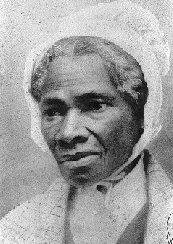
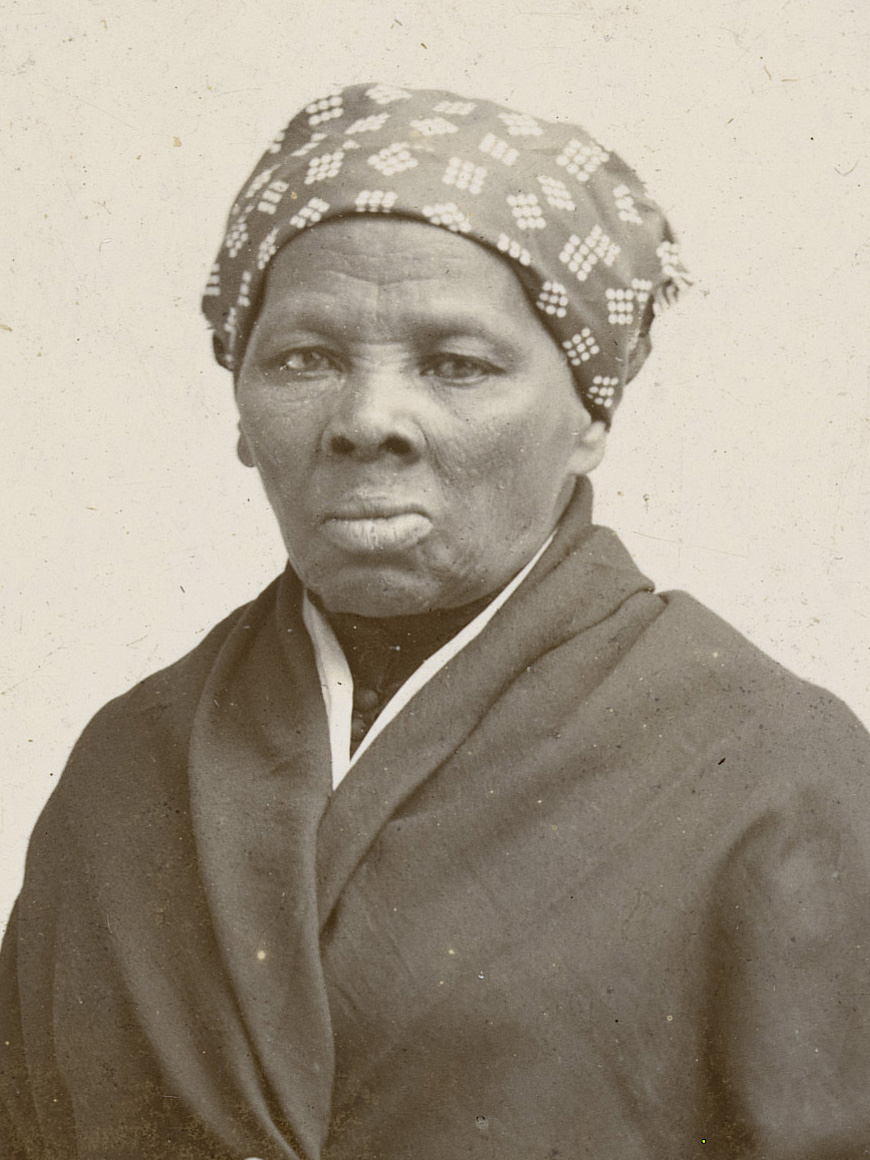
Among this week’s commemorations, Harriet Tubman and Sojourner Truth come across as two women who simply refused to let the world stay as it was, and they carried a fierce, grounded faith that shaped everything they did. Tubman’s courage on the Underground Railroad and Truth’s preaching and public witness both grew out of a deep conviction that God intends freedom, dignity, and wholeness for every person. The ELCA remembers them as renewers of society because their lives didn’t just challenge injustice — they helped re‑imagine what a just society could look like, insisting that faith must take the side of the oppressed. Their stories still nudge us today to put our own bodies where love, courage, and truth are needed most.
Learn More About Their Remarkable Stories Here!
There are three ELCA commemorations this week:
Tuesday 10 March:
Harriet Tubman (d. 1913) and Sojourner Truth (d. 1883), Renewers of Society
Thursday 12 March:
Gregory the Great, Bishop of Rome (d. 604)
Musical Meditation and Prayer: Amazing Grace
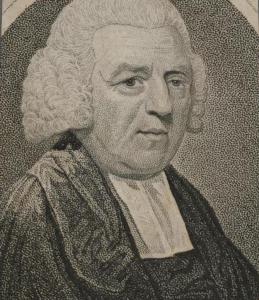
Amazing Grace began as a New Year’s Day sermon illustration John Newton wrote in 1772, long after a violent storm at sea first shook him awake to God’s mercy during his years in the slave trade. Newton later became an Anglican priest in Olney, England, where he and poet William Cowper published the text—then titled Faith’s Review and Expectation—in their 1779 collection Olney Hymns, printed without any musical setting. The hymn remained relatively modest in England, but it flourished in the United States during the early 19th century, especially amid the revivalism of the Second Great Awakening, where its message of grace resonated across denominations. Its now‑familiar melody, New Britain, was added in 1835 by American composer William Walker, and that pairing transformed Amazing Grace into one of the most widely sung hymns in the world, cherished for its simple poetry, its honest confession, and its enduring promise of redemption.
The version offered here is a wonderful interpretation of the song performed by the Salt Lake Choral Artists. Enjoy!
Lyrics
Amazing grace! How sweet the sound
That saved a wretch like me!
I once was lost, but now am found;
Was blind, but now I see.
’Twas grace that taught my heart to fear,
And grace my fears relieved;
How precious did that grace appear
The hour I first believed.
Through many dangers, toils, and snares,
I have already come;
’Tis grace hath brought me safe thus far,
And grace will lead me home.
The Lord has promised good to me,
His Word my hope secures;
He will my Shield and Portion be,
As long as life endures.
When we’ve been there ten thousand years,
Bright shining as the sun,
We’ve no less days to sing God’s praise
Than when we’d first begun.
Note: These lyrics are drawn from the ELW (779).
Salt Lake Choral Artists is a distinguished multi‑ensemble choral organization in Salt Lake City, recognized for its artistic excellence, stylistic versatility, and commitment to choral education. Bringing together singers of varied ages and backgrounds, the organization presents performances that range from classical masterworks to global and contemporary repertoire, often in collaboration with leading artists and institutions. Through initiatives such as the Summer Choral Institute, they cultivate emerging talent and support the development of singers, conductors, and composers. Their work has earned consistent regional and national acclaim, positioning them as an ensemble that enriches both the cultural life of their community and the broader choral landscape.
Visit Their Website Here
Going Beyond (Faith At Work)
ARE YOU INTERESTED TO KNOW MORE ABOUT THE EVANGELICAL LUTHERAN CHURCH IN AMERICA? (ELCA)
CLICK HERE FOR INFORMATION!
And, here is something you may find hopeful regarding the situation in the Middle East — it is from the Lutheran World Federation (LWF) website:
Joint statement from Anglican, Lutheran, Methodist and Reformed church leaders
Leaders of four global Christian communions say they are “profoundly dismayed” at the international community’s failure to prevent wars including the escalation of conflict in Iran and the Middle East.
Read the Full Statement Here

Join Us for Worship and Study
Evangelical Lutheran Church in Black River Falls, Wisconsin, and is part of the Northwest Synod of Wisconsin (ELCA). We stream our Sunday worship at 9:30 each week. Please feel free to join us!
Access our YouTube Channel here.
ONE MORE THING!
Our in-person Lectionary discussion group that meets at ELC will be off until APRIL 12TH. This is due to travel on my part and activities on Palm Sunday and Easter.
